Gen Z Thinks About Climate Change Constantly. Why Don’t They Vote Like It?
https://www.thenation.com/article/environment/gen-z-environmental-crisis-cost-of-living-climate-hushing/

Gen Z Thinks About Climate Change Constantly. Why Don’t They Vote Like It?
High cost of living and political turmoil are forcing climate change to the back burner, exposing a massive voter turnout problem for the environmental movement.
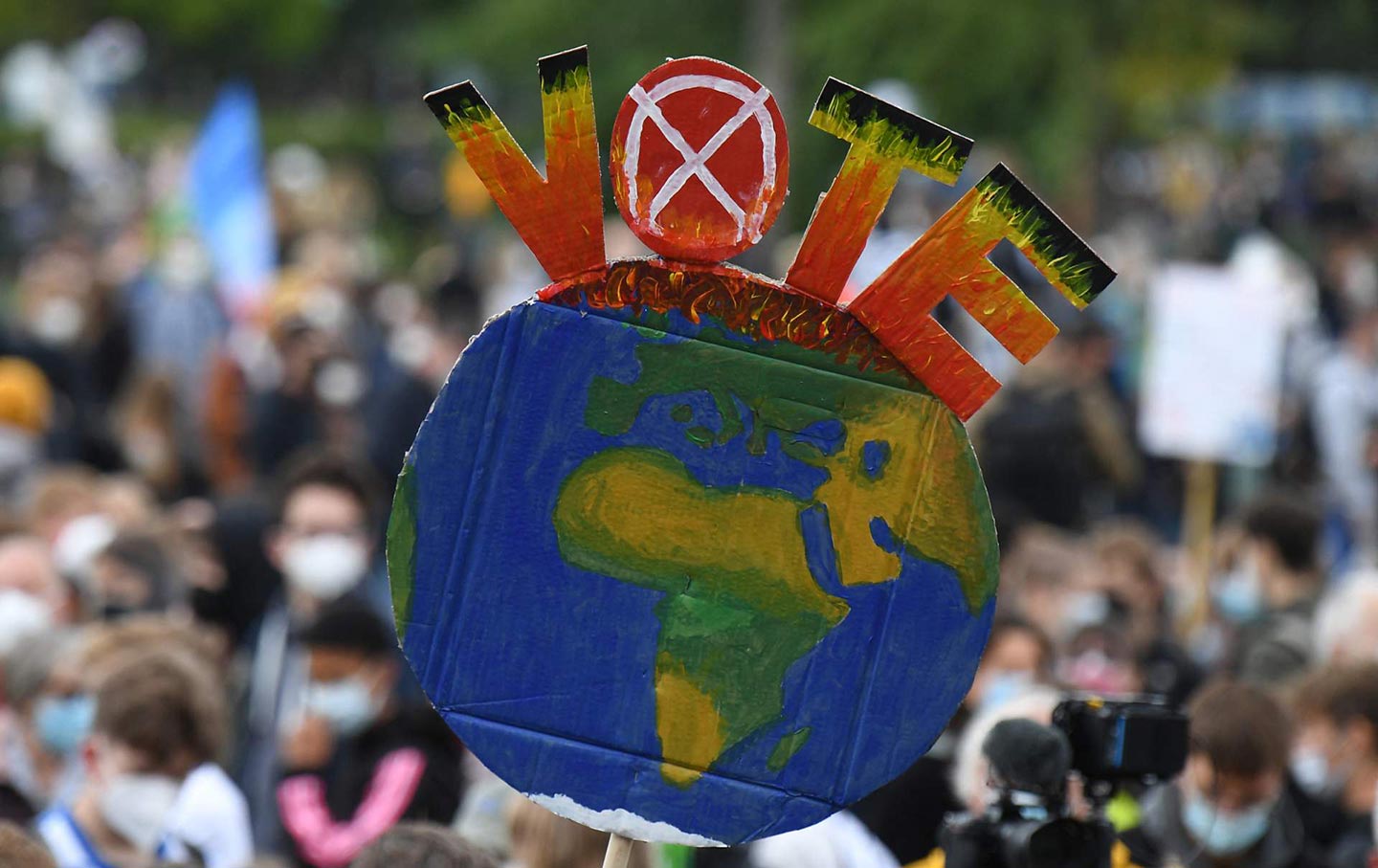
The cost of living, healthcare, and abortion were the top three issues for young voters in the 2024 election, according to a Tufts poll. Financial precarity and political instability are, in many ways, the defining features of young Americans’ futures. A record-high percentage of Americans say their finances are worsening; housing prices are 60 percent higher than in 2019, and credit card debt has risen 63 percent since 2021. It’s easy to see how a relatively post-materialist issue like climate change could get lost in this list of immediate concerns.
“There’s just an uncertainty that young people live with, and climate change is part of that, but it’s only one piece,” said Megan Mullen, faculty director of the UCLA Luskin Center for Innovation, which aims to advance effective and equitable solutions to pressing environmental challenges. “Climate doesn’t dominate students’ thinking, because there are so many other places of uncertainty for them.”
When survival in the present is already so exacting, thinking about what life may look like in a few decades becomes difficult, if not impossible. Inevitably and understandably, the climate has been placed on the back burner for many people. Though climate remains a concern for many Americans, this pattern indicates that those who care deeply about the climate aren’t considering it a top priority in their voting decisions—or even voting at all.
“It’s only when you narrow down to voters that the number of Americans who list climate as their top priority becomes so small,” said Nathaniel Stinnett, founder of the Environmental Voter Project. “Maybe the climate movement doesn’t have a persuasion problem as much as we have a turnout problem.”
Create a free account to continue reading
Or, click here to subscribe for $3.99 a month and get unlimited access to 160 years of The Nation.
More from The Nation
How Japan’s Media Ecosystem Is Fighting Climate Change How Japan’s Media Ecosystem Is Fighting Climate Change
Hundreds of outlets across the country have joined the “I am the 89%” campaign.
France’s Heat Shock France’s Heat Shock
A historically hot summer is revealing a society massively unprepared for the new climate reality.
This Heat is Fatal. We Need to Talk About it. This Heat is Fatal. We Need to Talk About it.
“When people die during heat waves, there’s no sort of gunshot wound.”
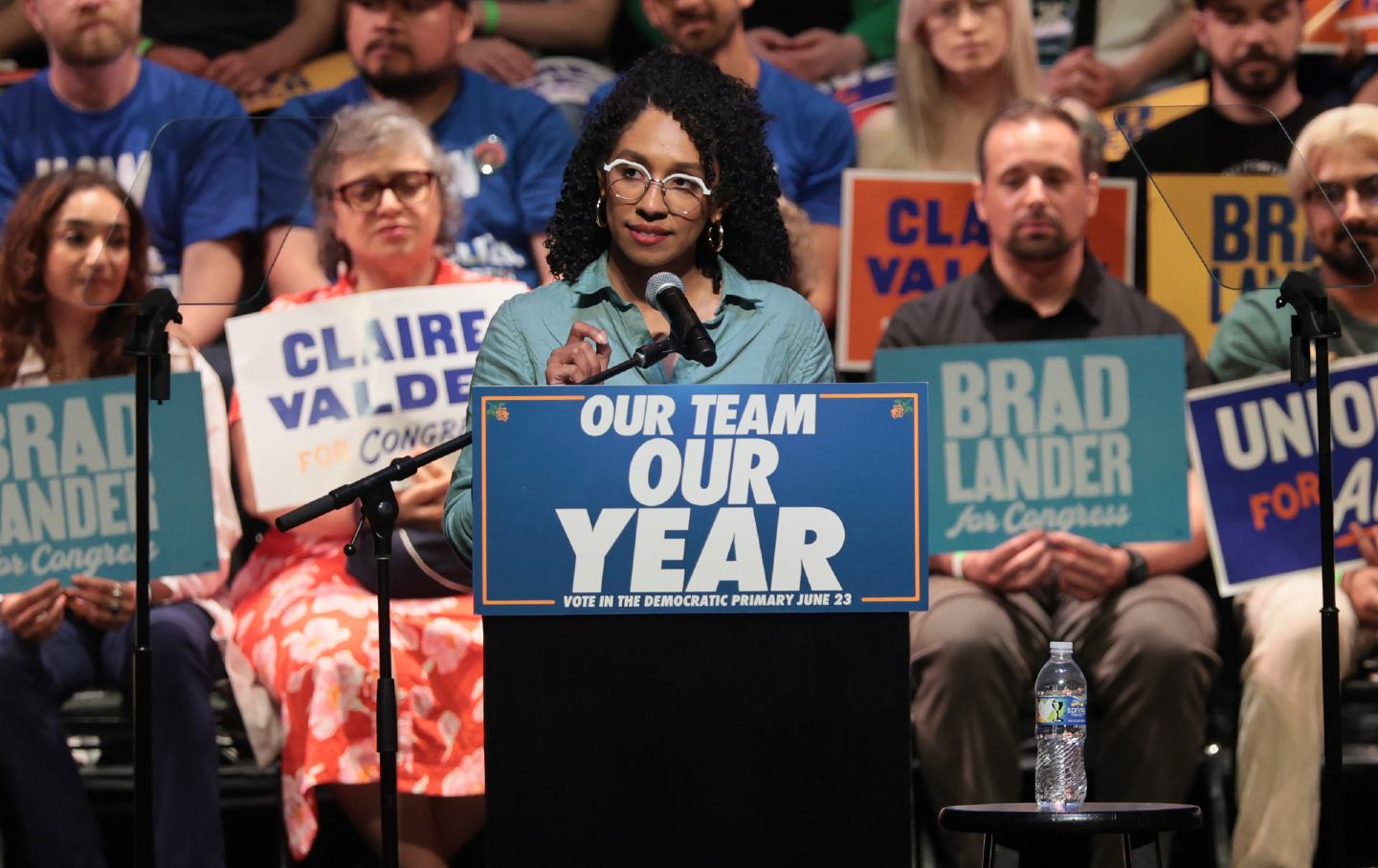
Climate Was Missing From New York’s Progressive Wave Climate Was Missing From New York’s Progressive Wave
The city's primary winners campaigned on affordability, yet climate change, a major driver of rising costs and inequality, was conspicuously absent from the conversation.

How America Became the Progenitor of Environmentalism How America Became the Progenitor of Environmentalism
From Indigenous practices to the Green New Deal, our country has always focused on prioritizing our planet.
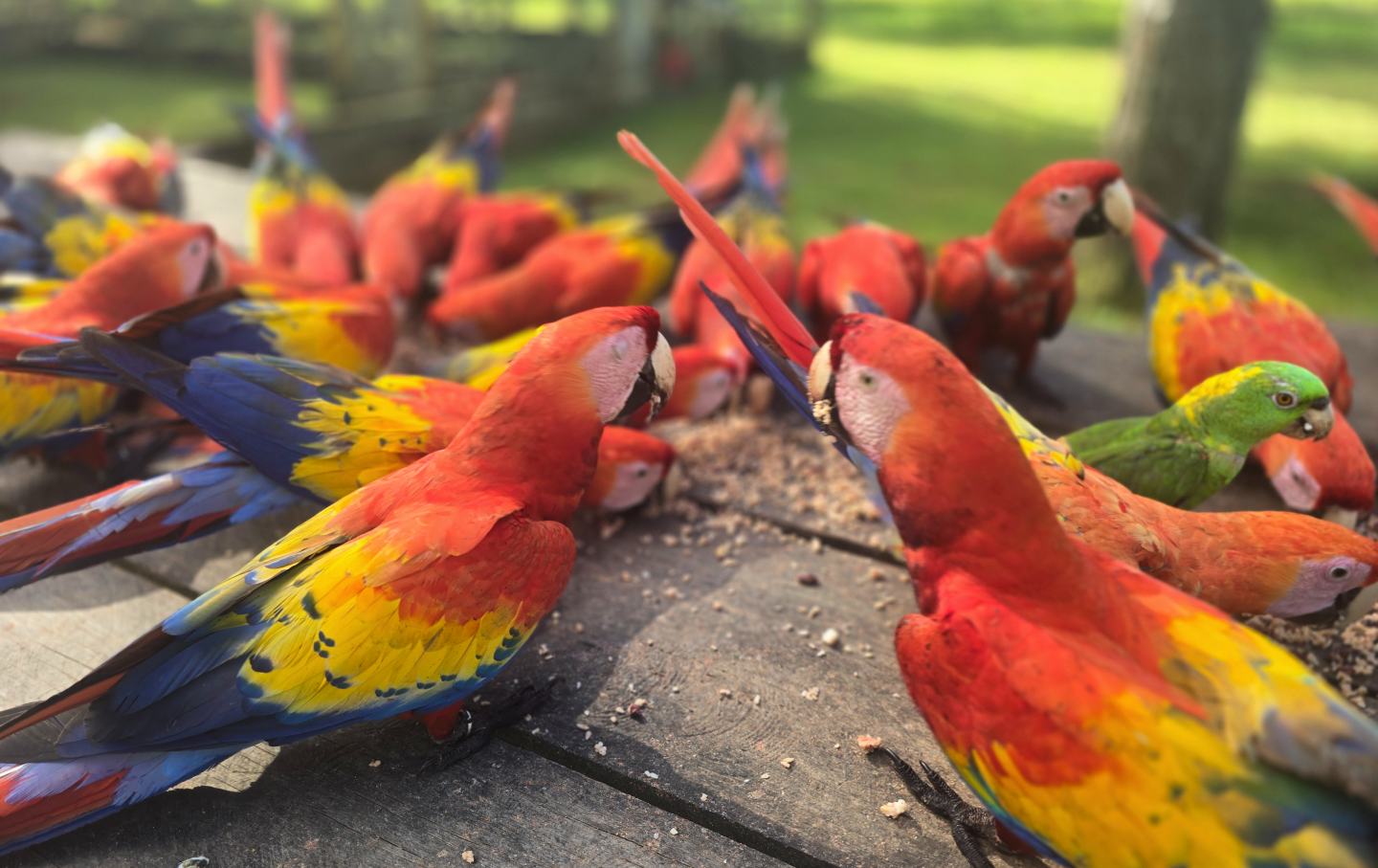
Saving the Scarlet Macaw in Narco Country Saving the Scarlet Macaw in Narco Country
In eastern Honduras, Indigenous guardians are risking their lives to protect the famous red parrot.

No comments:
Post a Comment