Sunday, February 8, 2026

NSA detected foreign intelligence phone call about a person close to Trump

https://www.theguardian.com/us-news/2026/feb/07/nsa-foreign-intelligence-trump-whistleblower 
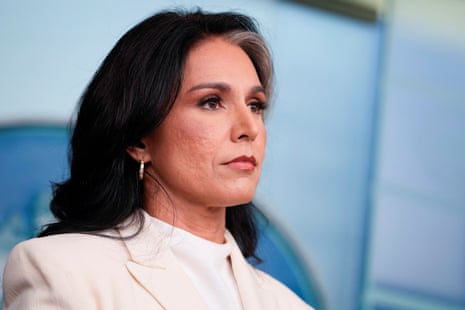
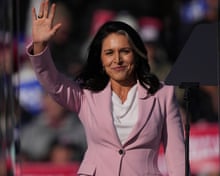
Tulsi Gabbard at a press briefing in Washington DC on 23 July 2025.

NSA detected foreign intelligence phone call about a person close to Trump

Whistleblower says that Tulsi Gabbard blocked agency from sharing report and delivered it to White House chief of staff

Last spring, the National Security Agency (NSA) flagged an unusual phone call between two members of foreign intelligence, who discussed a person close to Donald Trump, according to a whistleblower’s attorney who was briefed on details of the call.

The highly sensitive communique, which has roiled Washington over the past week, was brought to the attention of the director of national intelligence (DNI), Tulsi Gabbard.

But rather than allowing NSA officials to distribute the information further, Gabbard took a paper copy of the intelligence directly to the president’s chief of staff, Susie Wiles, according to the whistleblower’s attorney, Andrew Bakaj.

One day after meeting Wiles, Gabbard told the NSA not to publish the intelligence report. Instead, she instructed NSA officials to transmit the highly classified details directly to her office, Bakaj said.

Details of this exchange between Gabbard and the NSA were shared directly with the Guardian and have not been previously reported. Nor has Wiles’s receipt of the intelligence report.
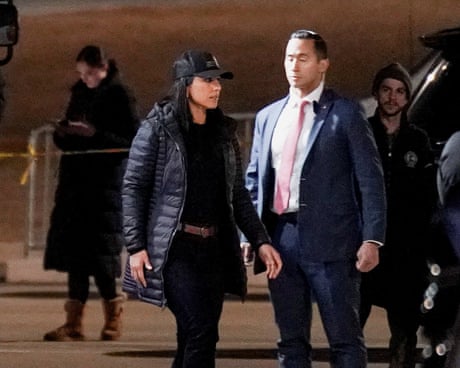
On 17 April, a whistleblower contacted the office of the inspector general alleging that Gabbard had blocked highly classified intelligence from routine dispatch, according to Bakaj, who has been briefed on details surrounding the highly sensitive phone call flagged by the NSA. The whistleblower filed a formal complaint about Gabbard’s actions on 21 May, Bakaj said.

The Guardian reported earlier Saturday that the phone conversation was between a person associated with foreign intelligence and a person close to Trump, based on Bakaj’s recollection of the complaint, which he confirmed over multiple calls. However, after publication, Bakaj said he misspoke.

He clarified his understanding of the complaint in a statement: “The NSA picked up a phone call between two members of foreign intelligence involving someone close to the Trump White House,” he said. “The NSA does not monitor individuals without a reason.”

The person close to Trump is not understood to be an administration official or a special gov employee, according to a person familiar with the matter.

Bakaj said that members of the intelligence community are often referred to him for legal counsel because of his background and expertise. He previously served in the office of the inspector general for the CIA.

A press secretary for the office of the director of national intelligence (ODNI) said to the Guardian in a statement: “This story is false. Every single action taken by DNI Gabbard was fully within her legal and statutory authority, and these politically motivated attempts to manipulate highly classified information undermine the essential national security work being done by great Americans in the Intelligence Community every day.

“This is yet another attempt to distract from the fact that both a Biden-era and Trump-appointed Intelligence Community Inspector General already found the allegations against DNI Gabbard baseless,” the statement said.

For eight months, the intelligence report has been kept under lock and key, even after the whistleblower pushed to disclose details to congressional intelligence committees.

Acting inspector general Tamara A Johnson dismissed the complaint at the end of a 14-day review period, writing in a 6 June letter addressed to the whistleblower that “the Inspector General could not determine if the allegations appear credible”.

The letter stipulated that the whistleblower could take their concerns to Congress, only after receiving DNI guidance on how to proceed, given the highly sensitive nature of the complaint.

The independence of the watchdog’s office may be compromised, lawmakers have said, ever since Gabbard assigned one of her top advisers, Dennis Kirk, to work there on 9 May, two weeks after the whistleblower first made contact with the inspector general’s hotline.

Gabbard’s office issued its first public acknowledgment of the highly sensitive complaint in a letter addressed to lawmakers on Tuesday, one day after the Wall Street Journal reported on the classified brief. It was posted to the ODNI’s X account, including claims that the inspector general had not informed Gabbard of her obligations to transmit the complaint to Congress.

Bakaj said that the ODNI’s office cited various reasons for the delay in intelligence sharing, including the complaints’ top secret classification, the fall government shutdown and the intelligence community inspector general’s failure to notify Gabbard of her reporting requirements.

Two attorneys and two former intelligence professionals who reviewed details of the incident and ensuing complaint shared with the Guardian have identified what they believe are a series of procedural anomalies that raise questions about Gabbard’s handling of national intelligence and the whistleblower disclosure, which was reported to the inspector general as a matter of “urgent concern”.

Members of the “gang of eight”, a group of Senate and House leaders privy to classified information from the executive branch, received a heavily redacted version for review on Tuesday night. They have disagreed about the legality of Gabbard’s conduct, as well as the credibility of the whistleblower complaint.

Two Republican lawmakers dismissed its credibility and backed Gabbard’s conduct, including the Arkansas senator Tom Cotton, who said in a statement on X that “the DNI took the necessary steps to ensure the material has handled and transmitted appropriately in accordance with law”.

But Democrats have raised questions about the delay. “The law is clear: when a whistleblower makes a complaint and wants to get it before Congress the agency has 21 days to relay it,” said the senator Mark Warner of Virginia, the senior Democrat on the Senate intelligence committee, in a Thursday press conference. “This whistleblower complaint was issued in May. We didn’t receive it until February.”

Warner said that the months-long delay reflected an effort to “bury the complaint”.

The contents of the whistleblower complaint are still largely unknown. Bakaj, the whistleblower’s attorney, said that Gabbard’s office had redacted much of the complaint that was released to intelligence committee members on Tuesday, citing executive privilege.

“I don’t know the contents of the complaint, but by exercising executive privilege they are flagging that it involves presidential action,” he said.

On 3 February, Bakaj again requested guidance from Gabbard’s office about how to share the whistleblower’s full report while taking appropriate precautions.

“As you are well aware, our client’s disclosure directly impacts our national security and the American people,” Bakaj wrote. “This means that our client’s complete whistleblower disclosure must be transmitted to Congress, and that we, as their counsel, speak with members and cleared staff.”

Bakaj said that the DNI’s office did not respond to his letter by its Friday deadline. He plans to contact members of the Senate and House intelligence committees on Monday to schedule an unclassified briefing on Gabbard’s conduct and the “underlying intelligence concerns”.

Members of the gang of eight have contacted the NSA to request the underlying intelligence that the whistleblower says Gabbard blocked, according to staff in Warner’s office.

Lawmakers can make routine requests for classified information directly from intelligence agencies such as the NSA. The request circumvents the ODNI’s involvement, as well as the office of the inspector general.

The leading Democrat on the House oversight committee, Stephen F Lynch, wrote a letter to acting inspector general Johnson to warn her that the integrity of the watchdog office could be compromised by Kirk’s May appointment to the group.

Kirk served in the first Trump administration and was a co-author of Project 2025, a policy roadmap for restructuring the federal government.

“The appointment of a highly partisan advocate for prioritizing personal loyalty to President Trump above independence and professionalism in the federal government – and one who apparently answers to DNI Gabbard rather than to you – in a senior role within [the intelligence community inspector general’s office] raises troubling questions about the independence of the IC IG,” Lynch wrote.

Johnson did not respond to a request for comment related to this story. She was replaced as the intelligence community inspector general in October by Christopher Fox.

Editor’s Note: This story was updated to clarify that the phone call was between two people associated with foreign intelligence who discussed someone close to Donald Trump, not between someone and a person close to Trump. The earlier version was based on multiple phone calls with a source who later said he misspoke and clarified the actual details of the call.

You've read 49 articles in the last year
Article count

We know. You’ve seen these notes to support us – 49 times so far this year – but you haven’t responded. It’s a little awkward for both of us. But wait:

In our experience, it’s not a lack of enthusiasm that stops frequent Guardian readers like you from supporting our journalism – it’s how long you imagine it’s going to take.

So we timed it, and on average it takes just 37 seconds. (Yes, you need your credit card, but it’s over there in your wallet – or you might already have the details saved on this device?)

But did you also know that, as a thank you for your support, you get access to exclusive extras (including seeing far fewer fundraising messages like this one)?

If you can, please support us on a monthly basis. It takes less than a minute to set up, and you can rest assured that you’re making a big impact every single month in support of fearless, independent journalism. Thank you.

Related stories
  • Ex-Trump adviser John Bolton indicted on charges of mishandling classified information

  • Photos reveal Trump cabinet member using less-secure Signal app knockoff

  • Trump says Hegseth is ‘doing a great job’ despite reports of second Signal chat

  • Hillary Clinton warns Trump ‘stupidity’ will leave US ‘feeble and friendless’

  • Intelligence chiefs deny they discussed war plans on Signal in House hearing

  • Newly shared Signal messages show Trump advisers discussed Yemen attack plans

  • Trump administration retreats in fight against Russian cyber threats

  • Who is Tulsi Gabbard, Trump’s pick for director of national intelligence?

More from News

  • Jeffrey Epstein
    From New York to New Mexico: new Epstein files shed light on his sprawling ranch outside Santa Fe

  • Winter Olympics
    Lindsey Vonn airlifted to hospital after crashing out of Olympic downhill race

  • Washington Post
    Washington Post publisher Will Lewis abruptly resigns amid criticism of staff cuts

  • Zohran Mamdani
    Rightwing critics blame Mamdani as New York snow fails to melt

  • Democracy and justice
    These US states want polluters to pay for the rising insurance costs of climate disasters

  • Japan
    Sanae Takaichi’s ruling conservatives on course for landslide election victory

  • Minneapolis
    Minneapolis protesters arrested during one-month anniversary of Renee Good’s death

  • Savannah Guthrie
    'We will pay,' Savannah Guthrie says in desperate video plea to potential kidnappers of her mother


Immigrant whose skull was broken in 8 places during ICE arrest says beating was unprovoked

https://www.npr.org/2026/02/07/g-s1-109219/immigrant-ice-arrest-beating 

Immigrant whose skull was broken in 8 places during ICE arrest says beating was unprovoked

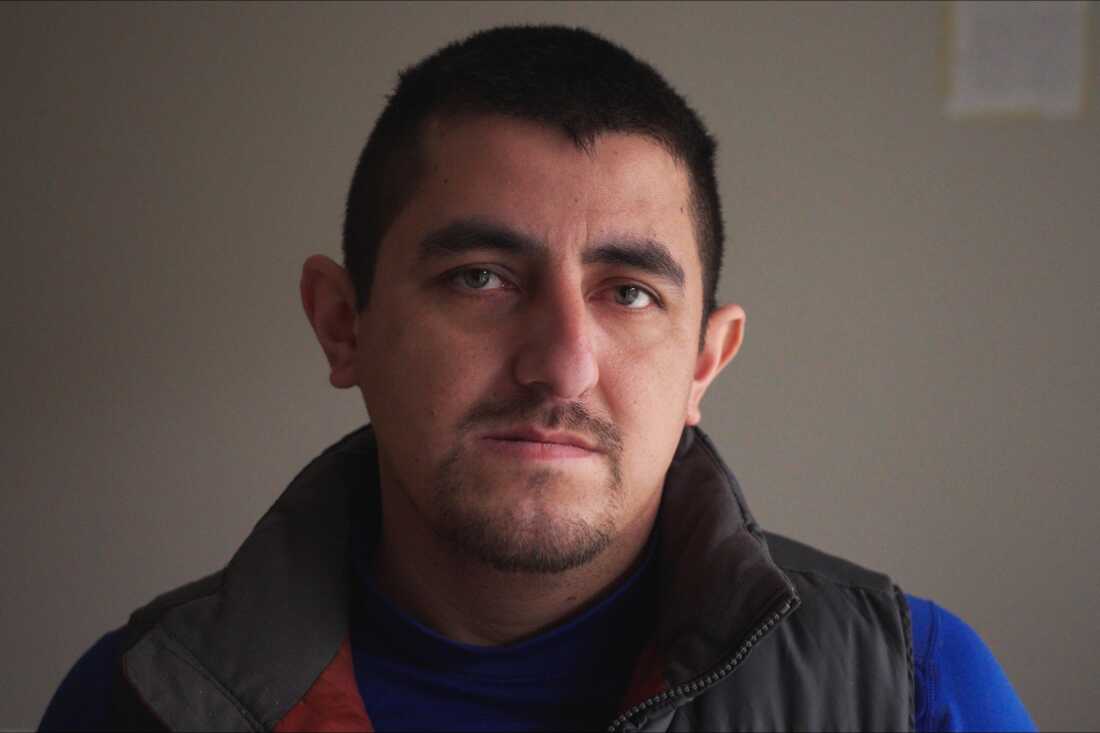
Alberto Castañeda Mondragón poses for a portrait at an apartment on Feb. 4, 2026, in St. Paul, Minn.

Alberto Castañeda Mondragón poses for a portrait at an apartment on Feb. 4, 2026, in St. Paul, Minn.

Mark Vancleave/AP

MINNEAPOLIS — Alberto Castañeda Mondragón says his memory was so jumbled after a beating by immigration officers that he initially could not remember he had a daughter and still struggles to recall treasured moments like the night he taught her to dance.

But the violence he endured last month in Minnesota while being detained is seared into his battered brain.

He remembers Immigration and Customs Enforcement agents pulling him from a friend's car on Jan. 8 outside a St. Paul shopping center and throwing him to the ground, handcuffing him, then punching him and striking his head with a steel baton. He remembers being dragged into an SUV and taken to a detention facility, where he said he was beaten again.

He also remembers the emergency room and the intense pain from eight skull fractures and five life-threatening brain hemorrhages.

"They started beating me right away when they arrested me," the Mexican immigrant recounted this week to The Associated Press, which recently reported on how his case contributed to mounting friction between federal immigration agents and a Minneapolis hospital.

Castañeda Mondragón, 31, is one of an unknown number of immigration detainees who, despite avoiding deportation during the Trump administration's enforcement crackdown, have been left with lasting injuries following violent encounters with ICE officers. His case is one of the excessive-force claims the federal government has thus far declined to investigate.

He was hurt so badly he was disoriented for days at Hennepin County Medical Center, where ICE officers constantly watched over him.

Officers claimed he ran headfirst into a wall

The officers told nurses Castañeda Mondragón "purposefully ran headfirst into a brick wall," an account his caregivers immediately doubted. A CT scan showed fractures to the front, back and both sides of his skull — injuries a doctor told AP were inconsistent with a fall.

"There was never a wall," Castañeda Mondragón said in Spanish, recalling ICE officers striking him with the same metal rod used to break the windows of the vehicle he was in. He later identified it as an ASP, a telescoping baton routinely carried by law enforcement.

Training materials and police use-of-force policies across the U.S. say such a baton can be used to hit the arms, legs and body. But striking the head, neck or spine is considered potentially deadly force.

"The only time a person can be struck in the head with any baton is when the person presents the same threat that would permit the use of a firearm — a lethal threat to the officer or others," said Joe Key, a former Baltimore police lieutenant and use-of-force expert who testifies in defense of police.

Once he was taken to an ICE holding facility at Ft. Snelling in suburban Minneapolis, Castañeda Mondragón said officers resumed beating him. Recognizing that he was seriously hurt, he said, he pleaded with them to stop but they just "laughed at me and hit me again."

"They were very racist people," he said. "No one insulted them, neither me nor the other person they detained me with. It was their character, their racism toward us, for being immigrants."

The Department of Homeland Security, which includes ICE, did not respond to repeated requests for comment over the last two weeks on Castañeda Mondragón's injuries.

It is unclear whether his arrest was captured on body-camera footage or if there might be additional recordings from security cameras at the detention center.

In a recent bid to boost transparency, DHS announced a broad rollout of body cameras for immigration officers in Minneapolis as the government also draws down ICE's presence there.

ICE deportation officer William J. Robinson did not say how Castañeda Mondragón's skull was smashed in a Jan. 20 declaration filed in federal court. During the intake process, it was determined he "had a head injury that required emergency medical treatment," he wrote in the filing.

The declaration also stated that Castañeda Mondragón entered the U.S. legally in March 2022, and that the agency determined only after his arrest that he had overstayed his visa. A federal judge later ruled his arrest had been unlawful and ordered him released from ICE custody.

Video shows him stumbling during arrest

A video posted to social media captured the moments immediately after Castañeda Mondragón's arrest as four masked men walk him handcuffed through a parking lot. The video shows him unsteady and stumbling, held up by ICE officers.

"Don't resist," shouts the woman who is recording. "Cause they ain't gonna do nothing but bang you up some more."

"Hope they don't kill you," she adds.

"And y'all gave the man a concussion," a male bystander shouts.

The witness who posted the video declined to speak with AP or provide consent for the video's publication, but Castañeda Mondragón confirmed he is the handcuffed man seen in the recording.

At least one ICE officer later told staff at the medical center that Castañeda Mondragón "got his (expletive) rocked," according to court documents filed by a lawyer seeking his release and nurses who spoke with AP.

AP interviewed a doctor and five nurses about Castañeda Mondragón's treatment at HCMC and the presence of ICE officers inside the hospital. They spoke on condition of anonymity because they were not authorized to discuss patient care and feared retaliation. AP also consulted an outside physician, who affirmed the injuries were inconsistent with an accidental fall or running into a wall.

Minnesota state law requires health professionals to report to law enforcement any wounds that could have been perpetrated as part of a crime.

An HCMC spokeswoman declined to say this week whether anyone at the facility had done so. However, following the Jan. 31 publication of AP's initial story about Castañeda Mondragón's arrest, hospital administrators opened an internal inquiry seeking to determine which staff members have spoken to the media, according to internal communications viewed by AP.

Minnesota Gov. Tim Walz posted a link to AP's prior story about Castañeda Mondragón, but his office has not said whether state authorities would pursue answers.

"Law enforcement cannot be lawless," Walz wrote in the post on X. "Thousands of aggressive, untrained agents of the federal government continue to injure and terrorize Minnesotans. This must end."

Castañeda Mondragón's arrest came a day after the first of two fatal shootings of U.S. citizens in Minneapolis by immigration officers, triggering widespread public protests.

Elected officials call for accountability

Minnesota congressional leaders and other elected officials, including St. Paul Mayor Kaohly Her, called this week for an investigation of Castañeda Mondragón's injuries.

The Ramsey County Attorney's Office, which oversees St. Paul, urged Castañeda Mondragón to file a police report to prompt an investigation. He said he plans to file a complaint. A St. Paul police spokesperson said the department would investigate "all alleged crimes that are reported to us."

While the Trump administration insists ICE limits its operations to immigrants with violent rap sheets, Castañeda Mondragón has no criminal record.

"We are seeing a repeated pattern of Trump Administration officials attempting to lie and gaslight the American people when it comes to the cruelty of this ICE operation in Minnesota," Sen. Tina Smith, a Minnesota Democrat, said in a statement.

Rep. Kelly Morrison, another Democrat and a doctor, recently toured the Whipple Building, the ICE facility at Ft. Snelling. She said she saw severe overcrowding, unsanitary conditions and an almost complete lack of medical care.

"If any one of our police officers did this, you know what just happened in Minnesota with George Floyd, we hold them accountable," said Democratic Rep. Betty McCollum, whose district includes St. Paul.

A native of Veracruz, Mexico, Castañeda Mondragón came to Minnesota nearly four years ago on a temporary work visa and found jobs as a driver and roofer. He uses his earnings to support his elderly father, who is disabled and diabetic, and his 10-year-old daughter.

On the day of his arrest, he was running errands with a friend when they suddenly found themselves surrounded by ICE agents. They began breaking the windows and opening the doors of the vehicle. He said the first person who hit him "got ugly with me for being Mexican" and not having documents showing his immigration status.

About four hours after his arrest, court records show, Castañeda Mondragón was taken to an emergency room in the suburb of Edina with swelling and bruising around his right eye and bleeding. He was then transferred to the Minneapolis medical center, where he told staff he had been "dragged and mistreated by federal agents," before his condition deteriorated, court records show.

A week into his hospitalization, caregivers described him as minimally responsive. As his condition slowly improved, hospital staff handed him his cellphone, and he spoke with his child in Mexico, whom he could not remember.

"I am your daughter," she told him. "You left when I was 6 years old."

His head injuries erased past experiences that for his daughter are unforgettable, including birthday parties and the day he left for the U.S. She's been trying to revive his memory in daily calls.

"When I turned 5, you taught me how to dance for the first time," she reminded him recently.

"All these moments, really, for me, have been forgotten,″ he said.

He showed gradual improvement and, to the surprise of some who treated him, was released from the hospital on Jan. 27.

Long recovery lies ahead

He faces a long recovery and an uncertain future. Questions loom about whether he will be able to continue to support his family back in Mexico. "My family depends on me," he said.

Though his bruises have faded, the effects of his traumatic brain injuries linger. In addition to the problems with his memory, he also has issues with balance and coordination that could prove debilitating for a man whose work requires going up and down ladders. He said he is unable to bathe himself without help.

"I can't get on a roof now," he said.

Castañeda Mondragón, who does not have health insurance, said doctors have told him he needs ongoing care. Unable to earn a living, he is relying on support from co-workers and members of the Minneapolis-St. Paul community who are raising money to help provide food, housing and medical care. He has launched a GoFundMe.

Still, he hopes to stay in the U.S. and to provide again someday for his loved ones. He differentiates between people in Minnesota, where he said he has felt welcome, and the federal officers who beat him.

"It's immense luck to have survived, to be able to be in this country again, to be able to heal, and to try to move forward," he said. "For me, it's the best luck in the world."

But when he closes his eyes at night, the fear that ICE officers will come for him dominates his dreams. He is now terrified to leave his apartment, he said.

"You're left with the nightmare of going to work and being stopped," Castañeda Mondragón said, "or that you're buying your food somewhere, your lunch, and they show up and stop you again. They hit you."


Trump's crackdown on the press is getting much darker

https://www.dailykos.com/stories/2026/2/7/2367517/-Trump-s-crackdown-on-the-press-is-getting-much-darker 

50
Comments
50 New
no image description available
Donald Trump speaks with reporters in the James Brady Press Briefing Room at the White House in Aug. 2025.

Journalists have a long, complicated history of serving as the gatekeepers of information between the government and the public. 

Often, this work isn’t easy. It involves networking with sources, digging through reports, and fact-checking government narratives. 

These challenges become amplified when dealing with authoritarian regimes where negative reporting can result in imprisonment—or worse. 

But now, thanks to the Trump regime, journalists in the U.S. are confronted with blowback once reserved for notorious countries like Russia and China. 


Related | Pam Bondi is coming for our First Amendment rights


Last month, two journalists—including Don Lemon—were arrested for covering an ICE protest at a church.

President Donald Trump and his administration claim that Lemon was actively participating in a demonstration that violated churchgoers’ First Amendment rights, despite video evidence showing Lemon behaving as any responsible journalist should. 

Cartoon by Clay Jones

And journalists aren’t just taking legal fire from Trump and his goons. Reporters are also being physically targeted on the ground while covering the president’s chaos in American streets. Numerous videos this past year show federal agents intentionally aiming weapons and tackling journalists who were simply doing their jobs. 

This descent into outward aggression toward newsgathering didn’t appear out of nowhere. In fact, the Trump administration has spent its first year in office nurturing a culture of mistrust that has normalized attacks on journalists. 

On Feb. 4, Homeland Security Secretary Krisit Noem quipped that a New York Times reporter was “down another source” after a supposed contact was identified.

 “We just caught another prolific leaker putting our [DHS] law enforcement at risk,” she posted on X

Noem’s language is very specific here. The administration has been intentional in crafting a narrative that journalists—in their efforts to gather information for the public—are actually a dangerous threat.

Defense Secretary Pete Hegseth has also actively weaponized the word “leakers” to target disloyal staffers who share information with the press. 

While federal workers are technically barred from sharing sensitive information with reporters, the practice is often vital for keeping the public informed and maintaining another check on political power. 

And while previous administrations have also bristled at intrepid newsgathering, the president and his team express their disdain for the press with a disturbing intensity. 

“You are the worst reporter,” Trump said on Feb. 3 to CNN’s Kaitlan Collins when asked about Jeffrey Epstein. “CNN has no ratings because of people like you.”

"You know she's a young woman — I don’t think I’ve ever seen you smile,” the president said, deciding a sexist attack would be appropriate when asked about his connections to one of the country’s most notorious predators. 

“I don’t think I’ve ever seen a smile on your face. You know why you're not smiling? Because you know you're not telling the truth,” Trump said.


Related | Trump’s attacks on women reporters are getting even ickier


Of course, this behavior toward female journalists is nothing new for Trump.

“Quiet piggy,” Trump said to another reporter aboard Air Force One in Nov. 2025. 

Even White House Press Secretary Karoline Leavitt, who has vehemently defended Trump’s sexist remarks, has brushed off reporters’ questions with unserious answers. 

“Your mom did,” she wrote in a text to a HuffPost reporter’s innocuous foreign policy query.

All of these interactions share a similar theme—the normalization of aggression and antagonism towards the media. 

There has even been a shift in how journalists are allowed to obtain information from the White House. Traditional media have been forced to pack up their desks at the Pentagon and abandon their chairs in the press briefing room for not agreeing to cover the news exactly how the Trump administration would like.

In their place, MAGA-friendly influencers who do not adhere to any journalistic ethical standards. 


Related | The White House’s trolling isn’t funny—it’s dangerous


Meanwhile, once-vaunted newsrooms across the nation—now owned by billionaires close to Trump—are sadly shrinking

Journalists who remain dedicated to their mission of uncovering and sharing truth are increasingly running up against a hostile White House determined to make them the enemy in support of Trump’s reckless pursuit of power. 

Trump famously called the press “the enemy of the people” after assuming office for his first term. In his second term, that dark vision has ramped up considerably. 

Daily Kos reached out to the White House for comment on this story but did not receive a response by the time of publication.

Reality check: 2025 has been rough financially for Daily Kos.

We’re powered by people, not corporations. Almost 80% of our income comes from small donations. That’s why we’re asking our readers for support.

Donate $5 today to help fuel people-powered resistance and journalism.

$
ORDonate with
1 group republished

Was this story worth reading?

Recommending and sharing stories helps us decide which stories are most
important to show our readers.


Epstein Files Put Two More Top Trump Officials in the Spotlight

 https://www.thedailybeast.com/epstein-files-put-two-more-top-trump-officials-in-the-spotlight/

Epstein Files Put Two More Top Trump Officials in the Spotlight

Tamilore Oshikanlu

The Justice Department’s latest Epstein document dump is resurfacing uncomfortable connections—putting two more senior figures in President Donald Trump’s orbit squarely in the frame.

Last Friday, the Department of Justice released more than 3 million pages tied to convicted sex offender Jeffrey Epstein, reigniting scrutiny of the powerful figures who crossed paths with him over the years—including several members of Trump’s inner circle.

Among those named in the latest tranche are Secretary of the Navy John Phelan and Ben Black, Trump’s personal pick to lead the U.S. International Development Finance Corporation.

John Phelan
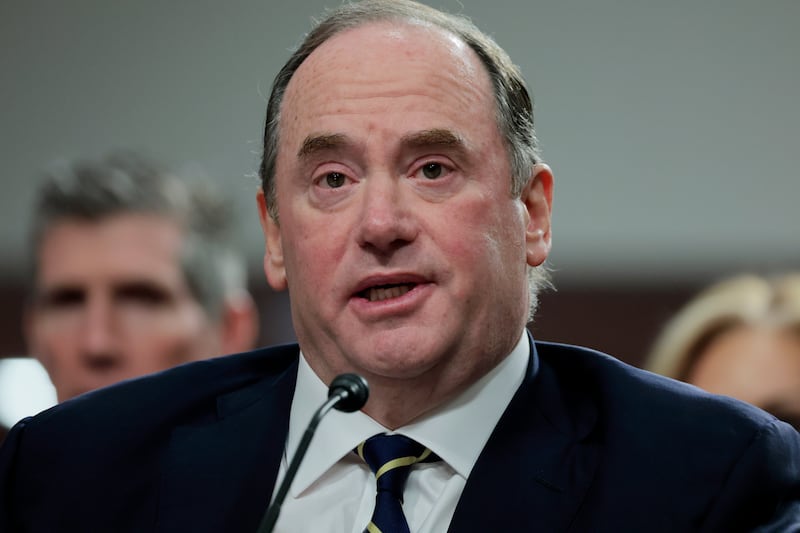
John Phelan speaks during a Senate Armed Services confirmation hearing on Capitol Hill on Feb. 27, 2025. Anna Moneymaker/Getty Images

Black, a financier and son of billionaire Apollo Global Management founder Leon Black, was quietly sworn in last December after a narrow 51–47 Senate confirmation vote. The ceremony took place just weeks before the House Oversight Committee released another trove of Epstein-related records.

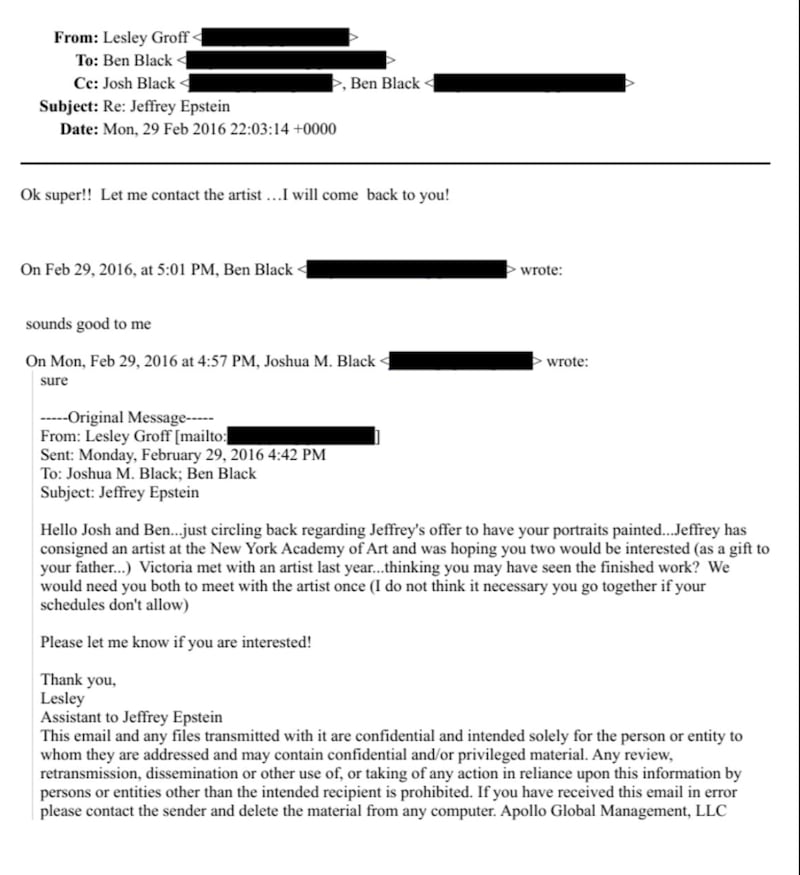
One document reveals an email exchange between Lesley Groff, Epstein’s longtime executive assistant, and Ben Black and his brother Joshua. The subject line was bluntly titled “Jeffrey Epstein.”

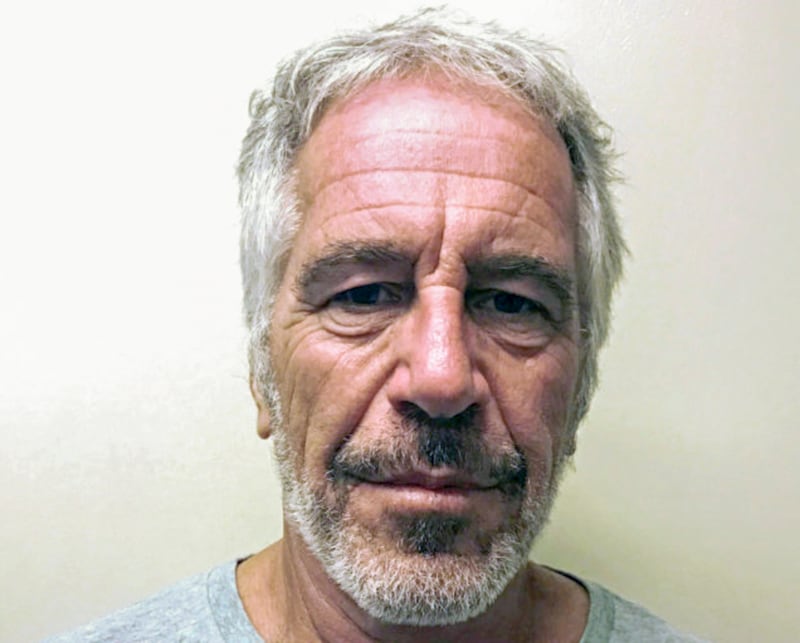
Jeffrey Epstein's mugshot in 2019.
Jeffrey Epstein's mugshot in 2019. Kypros/Kypros/Getty

In the message, Groff described Epstein’s interest in commissioning a portrait of the brothers as a gift for their father. “Jeffrey has co-signed an artist at the New York Academy of Art,” she wrote, adding that Epstein hoped the brothers would be open to sitting for the piece. Groff noted that an associate had previously met the artist and suggested the brothers “may have seen the finished work.”

The email also explained that each brother would need to meet the artist at least once, before closing with a polite prompt: “Please let me know if you are interested.”

Ben Black Joshua Black Epstein Email
Email correspondence from Jeffrey Epstein's executive assistant Lesley Groff to Ben Black and brother Joshua Black from DOJ file dump. DOJ

There is no indication in the file that the portrait was ever commissioned—or that either brother accepted the offer. But the correspondence underscores Epstein’s familiarity with the family.

That connection is not new. Leon Black, Ben’s father, has long faced scrutiny over his ties to Epstein. The billionaire previously acknowledged paying Epstein roughly $170 million for what he described as tax and estate planning services.

While Leon has denied any knowledge of Epstein’s sex trafficking operation, a 2024 settlement with the U.S. Virgin Islands attorney general concluded that some of the funds paid to Epstein were used to “fund [Epstein’s] operations.”

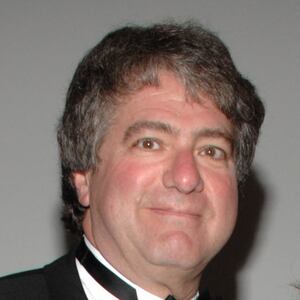
Leon Black in 2007.

Leon has also moved in Trump-adjacent circles, drawing congressional scrutiny in 2018 during investigations into foreign influence surrounding the 2016 election.

The Daily Beast has reached out to Ben Black through the U.S. International Development Finance Corporation for comment.

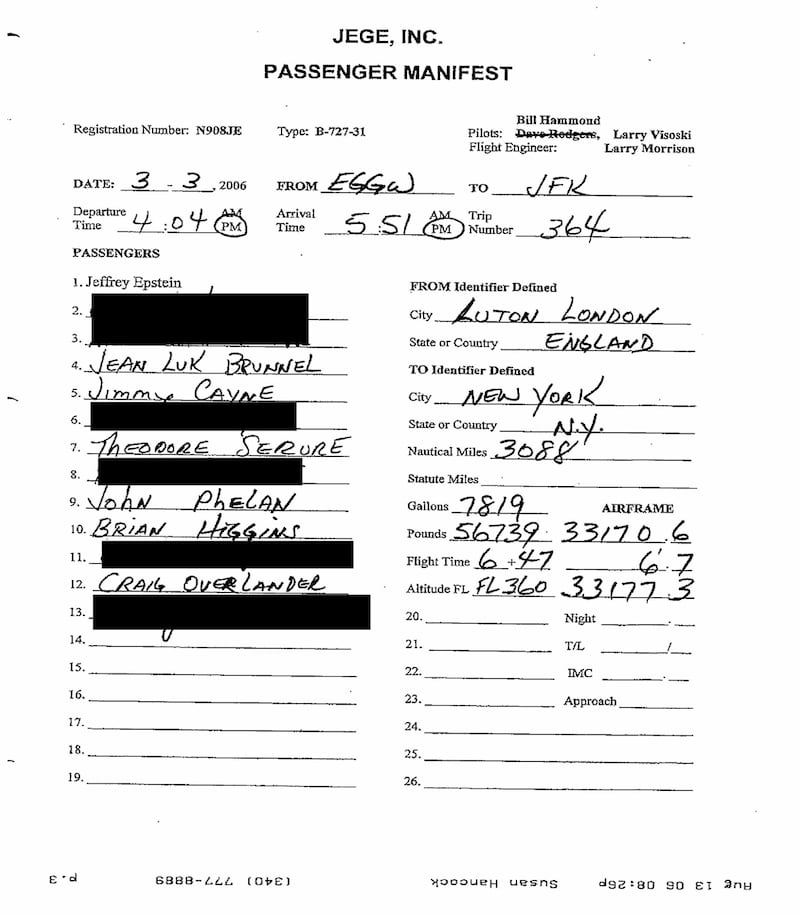
Another newly released file places Phelan aboard Epstein’s private plane in 2006. A flight manifest shows Phelan listed among passengers traveling from London to New York on Epstein’s Boeing 727—often referred to as the “Lolita Express.”

2006 Flight manifest from Jeffrey Epstein's private plane from London to JFK.
2006 flight manifest from Jeffrey Epstein’s private plane from London to JFK. DOJ

Six names remain redacted in the file. One of the visible names listed on the flight document is Jean-Luc Brunel, the French modeling agent later accused of raping minors and trafficking young women. Brunel died in a French prison cell in 2022 while awaiting trial.

A source close to Phelan confirmed to CNN that he was on the flight but said he did not know it was Epstein’s plane until he arrived. The source said Phelan’s interaction with Epstein was virtually nonexistent and described the flight as the only time the two ever crossed paths. According to the source, Phelan was invited aboard by the late Bear Stearns CEO Jimmy Cayne, not Epstein himself.

Phelan, a major Republican donor, has been a consistent Trump ally. He helped raise millions for Trump’s campaigns and hosted a high-dollar fundraiser for the then-president-elect ahead of the 2024 election.

John Phelan Donald Trump
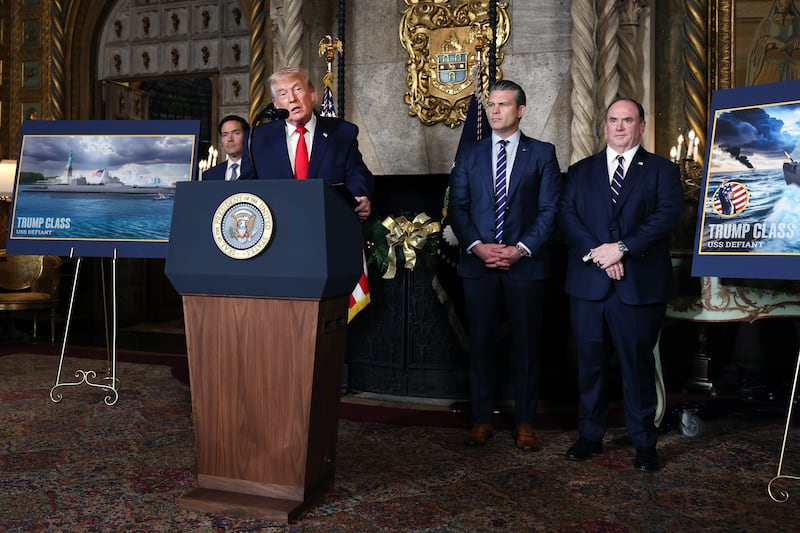
President Donald Trump, joined by Secretary of State Marco Rubio, Secretary of Defense Pete Hegseth, and Secretary of the Navy John Phelan to announce “Trump-class” battleships. Tasos Katopodis/Getty Images

White House officials have maintained that Trump does not appear in the newly released DOJ materials. However, the latest dump has surfaced the president’s name in several files, including a complaint that alleged Trump engaged in oral sex with a minor.

The Daily Beast has reached out to both the White House and Phelan for comment.