Is This the American Suez?
https://www.thenation.com/article/world/iran-war-american-decline-suez-crisis-us-foreign-policy-multipolar-world/
Is This the American Suez?
If the pointless war on Iran is a historical marker equivalent to Suez in ignominy, the question becomes, what do we do with this “Decline of Empire” moment?

Flash back to the boastful, triumphalist 1990s, as in Madeleine Albright’s telling Matt Lauer in 1998, “If we have to use force, it is because we are America; we are the indispensable nation. We stand tall and we see further than other countries into the future.” Well, goodbye to all that. The United States is now enduring a singular humiliation akin to that Britain and France suffered 70 years ago in the Suez Crisis. That event, little-remembered here but iconic for the rest of the world, signaled the end of old-style European imperialism. In its wake arrived something new, the Americans’ vast “empire of liberty” constrained only by the Soviet Union’s upstart “empire of justice,” as Odd Arne Westad put it in his now-classic The Global Cold War: Third World Interventions and the Making of Our Times (2006).
Following Tehran’s systematic checkmating of US authority, only an ostrich could deny our decline as a Great Power. Unless you are like Trump and his minions, who think history stops at our shores, the fall of the American imperium was preordained. Sooner or later, other nations would innovate, expand, recover from defeat—but not this soon, most of us thought! Even 50 years ago, while it was regaining strategic equilibrium after the disaster in Vietnam, it was self-evident that the United States would never regain its dominance circa 1945, when we had a majority of the world’s industrial capacity, a nuclear monopoly, and the only globe-spanning naval and air forces, plus the legitimacy granted by defeating fascism and creating the United Nations. Nonetheless, from 1991 to 2016, various Bushes, Clintons, and Obama still hailed US preeminence. That’s gone for good. The myth of the sole superpower has been blown to bits by cheap Iranian drones, and no one buys it anymore. Not the Gulf satrapies whose security we guaranteed, not the European Union, warily gearing up for war over Greenland—not anyone anywhere.
For me, the augury came in 2010. For many years, I taught how in a single generation, 1870–1900, the United States outstripped Great Britain, the fabled “workshop of the world,” in the key markers of industrial capacity—coal, iron, and steel. Twenty years ago, China had been rapidly moving ahead and then it happened: In 2010, their state-directed economy surged past ours. Now it is China that beats its three rivals combined (the United States, Germany, and Japan) in manufacturing output. Still, I presumed a long, slow draw-down of US power in the emerging multipolar world where America still waved the biggest stick.
Here is where the metaphor of “Suez” comes in. That word has no meaning to Americans, but in Europe, in particular the United Kingdom, it is a trope as powerful as “Vietnam” here, a single word conveying loss, hubris, humiliation, and failure. Why?
Create a free account to continue reading
Or, click here to subscribe for $3.99 a month and get unlimited access to 160 years of The Nation.
More from The Nation

The Genocide of South Lebanon The Genocide of South Lebanon
Israel is carrying out its Gaza strategy in yet another war.

The Joy of Watching the World Cup in Gaza The Joy of Watching the World Cup in Gaza
For 90 minutes, the World Cup gives us something the genocide has tried to take away: a sense of community, a sense of normality, and a moment of pure celebration.
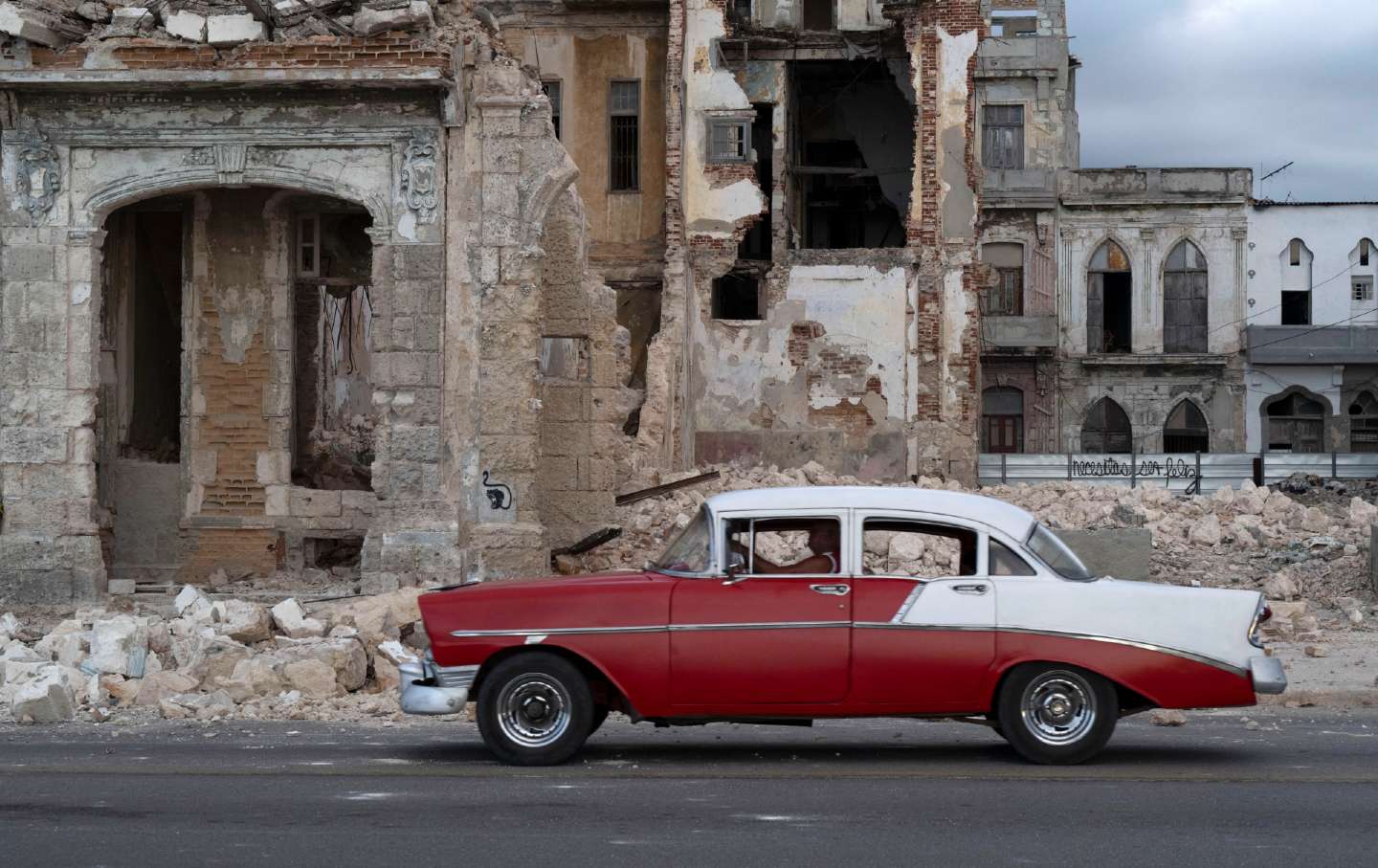
Cuba Moves Toward Market Socialism Amid the US Assault Cuba Moves Toward Market Socialism Amid the US Assault
As unprecedented US sanctions push Cuba deeper into crisis, Havana is embracing sweeping market reforms while insisting it is not abandoning socialism.
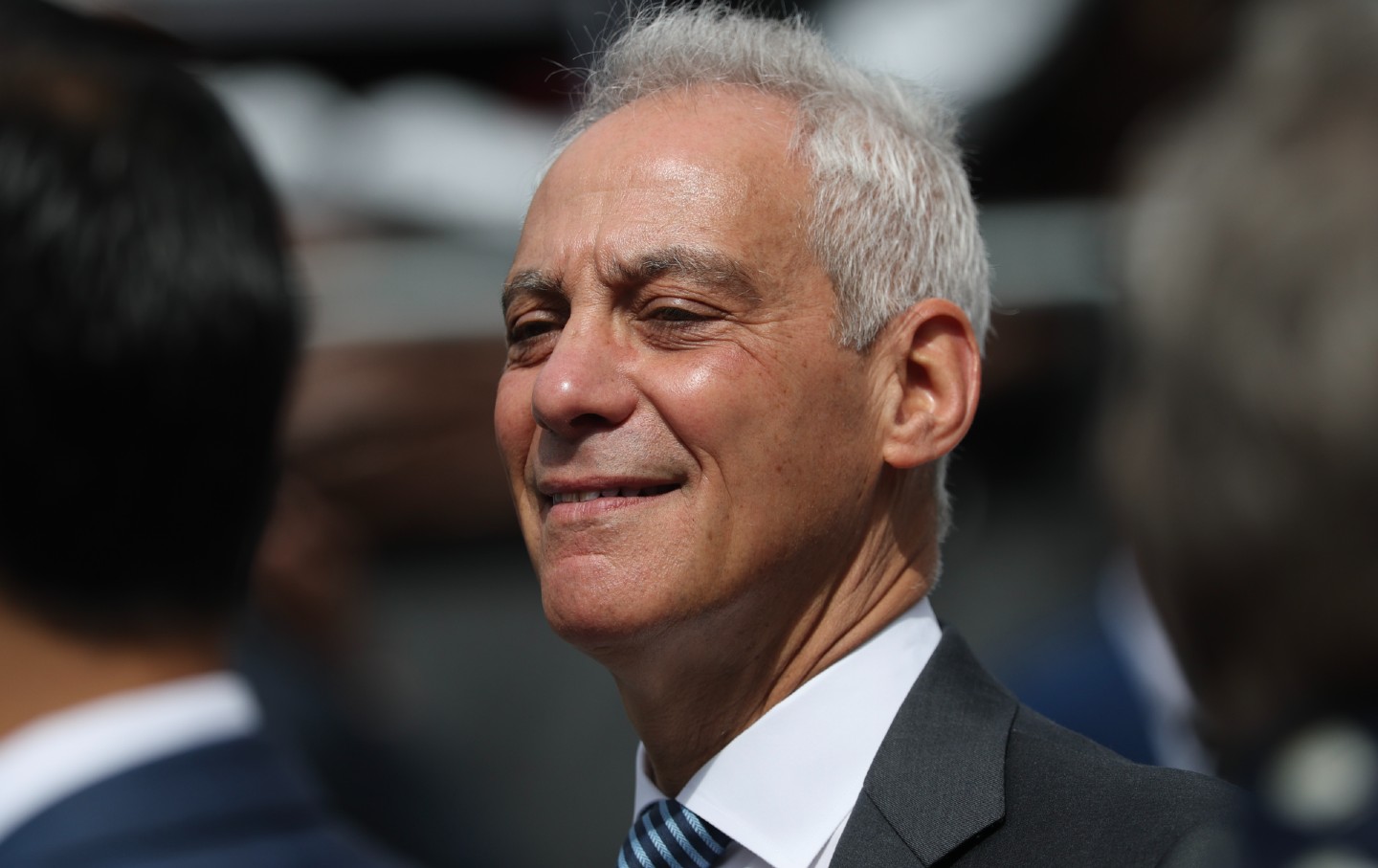
Rahm Emanuel’s Speech in Tel Aviv Breaks With a “No Daylight” Approach Rahm Emanuel’s Speech in Tel Aviv Breaks With a “No Daylight” Approach
Though the speech broke from a failed approach toward Israel, it was still based on flawed and tendentious attitudes and history.

Pedro Sánchez Is Living on Borrowed Time Pedro Sánchez Is Living on Borrowed Time
Spain’s prime minister has become a global progressive icon. But at home, his government is hanging by a thread.
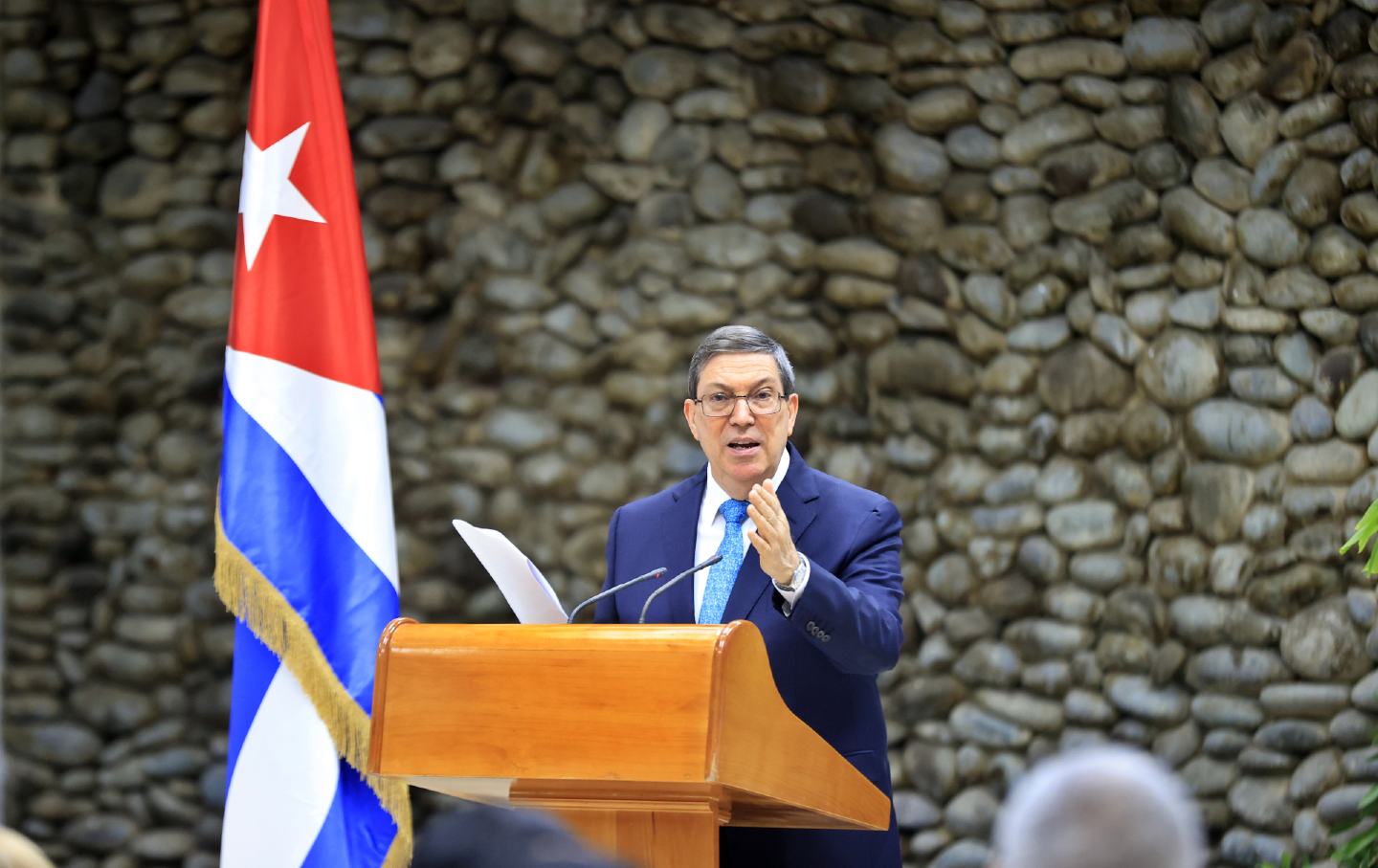
The Rubio Cable on Cuba The Rubio Cable on Cuba
Inside US efforts to shut down debate at the United Nations on Washington’s economic warfare.

No comments:
Post a Comment