Showing posts with label golden arches. Show all posts

Tuesday, June 16, 2026

Will a US-Iran deal unlock $300bn in investment fund for Tehran?

Will a US-Iran deal unlock $300bn in investment fund for Tehran?

https://www.aljazeera.com/news/2026/6/16/will-a-us-iran-deal-unlock-300bn-in-investment-fund-for-tehran 


Will a US-Iran deal unlock $300bn in investment fund for Tehran?

The Trump administration has been adamant the investment fund is not a payout for Iranian enriched uranium.

Iranian flags and graffiti reading 'No King' are seen amongst debris.
The US war in Iran inflicted an estimated $29bn damage as the population struggles with the highest inflation rate since 1942 [File: Majid Saeedi/Getty]

The US-Iran memorandum of understanding expected to be formally signed in Switzerland on Friday could allow for the establishment of a $300bn investment fund for Iran, as part of a broader settlement to end the war that triggered a global energy crisis and upended markets worldwide.

US Vice President JD Vance told CBS News on Monday that the incentives would be connected to Iran’s “performance” in adhering to the deal, which was digitally signed by both sides on Sunday.

Recommended Stories

list of 3 itemsend of list

The scale of the financial incentives grabbed the headlines due to US President Donald Trump’s longstanding criticism of a 2015 nuclear accord that he claimed delivered economic benefits to Tehran.

In a bid to manage perceptions around this politically sensitive issue, Trump took to his Truth Social platform to claim that “the story that the US is paying Iran 300 million Dollars is Fake News,” while Vance told CBS News that the money would not be a US payout in exchange for Iran’s enriched uranium.

“When people say that billions of dollars of assets will be released, that’s not true,” the vice president told the CBS Morning programme. “What is true is that Iran will have a much better and much more prosperous future if they meet the obligations they make in this agreement.”

What do we know about the $300bn investment fund?

Vance said the deal “fundamentally extends a hand to Iran and says, ‘Look, if you guys are willing to honour your obligations, if you’re willing to allow real inspections of your nuclear programme, then we will welcome you back into the world economy.’

“That’s the sort of thing they could have access to, funded by the Gulf Coast coalition, so long as they honour their end of the obligation,” Vance told CBS. He also claimed that while US money would not be injected, economic opportunities could arise once Iran repositions itself in the global economy.

The New York Times quoted sources saying the fund would not come from governments but be created for companies eager to invest in Iran.

Muhanad Seloom, a non-resident senior fellow at the Middle East Council on Global Affairs, said the setup was a no-lose solution for Washington. “If Iran reforms, the administration owns the peace; if it doesn’t, the US loses nothing and the Gulf carries the risk,” he told Al Jazeera.

What about the Iranian frozen assets?

Seloom said the idea of an investment fund was built precisely to escape the optics of releasing Iran’s frozen funds. While the exact amount of Iran’s frozen assets is unclear, official Iranian reports and experts have set the total amount at more than $100bn.

Iran’s economy has been crippled due to years of sanctions imposed on the country by the United States and other nations following the Islamic revolution in 1979, and then amplified over Iran’s nuclear and ballistic missiles programmes. These measures have restricted Tehran’s ability to access its own assets, such as revenues from oil sales, which have been frozen in foreign banks.

Tehran was granted sanctions relief in the wake of the landmark 2015 nuclear deal signed under President Barack Obama, but Trump tore it up in 2018 during his first term. The 2015 deal had put limits on Iran’s nuclear enrichment in exchange for sanctions relief.

Iran’s state-affiliated Mehr News agency reported on Sunday that the 14-point draft memorandum of understanding provided for the release of $24bn in frozen Iranian assets.

Pressed by CBS News on the possibility of releasing frozen funds, Vance said the $24bn figure “just doesn’t appear anywhere in any of the texts that we’ve talked about with the Iranians”.

“What we have said is that we’re willing to talk about unfreezing assets, but a much, much bigger deal is unsanctioning their economy – so long as they make the long-term commitments on the nuclear programme,” the vice president added.

For Iran, where the war inflicted an estimated $29bn damage and the population is struggling with the highest inflation rate since 1942, the investment fund may constitute a much-needed lifeline.

But the optics will not be as favourable, raising a “dignity problem”, Seloom said. “Tehran reads this as supervised, conditional money rather than sovereign relief,” the analyst told Al Jazeera.
3:03
  • Now Playing
    03:03
    What did the US-Israel war on Iran achieve?

    What did the US-Israel war on Iran achieve?

  • Next
    01:21
    ‘Mistrust’ leaves ebola patients receiving treatment too late

    ‘Mistrust’ leaves ebola patients receiving treatment too late


Which other contentious issues will be discussed after signing the deal on Friday?

One of the US’s main declared objectives has been to assuage concerns surrounding Iran’s nuclear programme, including a stockpile of more than 440kg (970lbs) of enriched uranium.

The memorandum extends an existing ceasefire arrangement for another 60 days, during which the two sides are expected to hold further negotiations on issues including the disposal of the enriched uranium.

Vance said Tehran had agreed to surrender its stockpile, undergo regular inspections and refrain from producing or buying nuclear weapons, but the full text of the memorandum of understanding has yet to be disclosed.

The reopening of the Strait of Hormuz, which has been subject to competing blockades by the US and Iran, has also been a point of contention. Trump suggested an agreement to reopen the waterway had been reached when he announced a deal on Sunday with the words: “Let the oil flow!”

Speaking to CNBC, however, Vance acknowledged that not all sticking points surrounding the passageway had been resolved. “Well, our expectation is that the strait is gonna be opened in a toll-free way for the long term, and that’s the sort of thing that we’re gonna figure out in these technical negotiations,” he said.

Israel’s ongoing aggression on Lebanon is also expected to create friction, as Iran has insisted any ceasefire deal must include the allied nation. Israel has so far rejected any arrangement that would limit its ability to strike what it says are Hezbollah targets. Defence Minister Israel Katz on Friday said the military would continue operating in Lebanon regardless of any agreement with Tehran.

Mixed reactions to the agreement

Iranian ⁠⁠Foreign ⁠⁠Minister Abbas Araghchi said the memorandum of understanding would reap economic benefits for Iran but stressed that Tehran would not rely on those benefits for all of its needs.

“We have a history of broken promises, non-compliance, and the tearing up of agreements,” Araghchi said on Monday, according to Press TV. He said discussions about the lifting of US sanctions and Iran’s nuclear programme would be held during a 60-day period of negotiations following the official signature on Friday.

Iran’s new supreme leader, Mojtaba Khamenei, has yet to comment. Some Iranian observers objected to the timing of the announcement, which coincided with Trump’s birthday. Referring to the assassination of former Supreme Leader Ayatollah Ali Khamenei at the beginning of the US-Iran war, conservative journalist Parisa Nasr wrote on X: “Was giving a birthday gift to the killer of the martyred Leader also one of the unwritten conditions of the deal?”

Iranian President Masoud Pezeshkian said Iran’s Supreme National Security Council had approved the deal so that “America’s genuine commitment to respecting the rights of the Iranian nation could be tested in practice.”

Speaking at the G7 summit in France on Tuesday, Trump described the deal with Iran as “fair”, “good”, and under which Iran “can’t have a nuclear weapon” or “they get blown up.”

Qatar’s Emir Sheikh Tamim bin Hamad Al Thani, who is also attending the summit, said the Iran-US agreement will result in positive outcomes for the region.

“This is a very important deal, there’s still a lot of work to be done, but with this momentum – if we continue like that, Mr President – I think we can achieve and do great things in the region,” Sheikh Tamim said.

US Democratic lawmakers welcomed a deal to halt the war with Iran but stressed that its terms must be made public. Senator Gregory Meeks said “any final agreement must be durable, enforceable, transparent” and more than “vague announcements or political spin”.

US Republican Senator Lindsey Graham on Sunday said he was “pleased” about the deal but also “somewhat concerned that Iran’s view of the agreement seems different than what the American negotiating team is claiming”.

Seloom, at the Middle East Council on Global Affairs, said the different narratives underlined that the two sides were “not really talking to each other”. “They’re talking past each other, to domestic audiences,” he said. “Each side has to sell this as a victory it cannot sell honestly.”
5:21
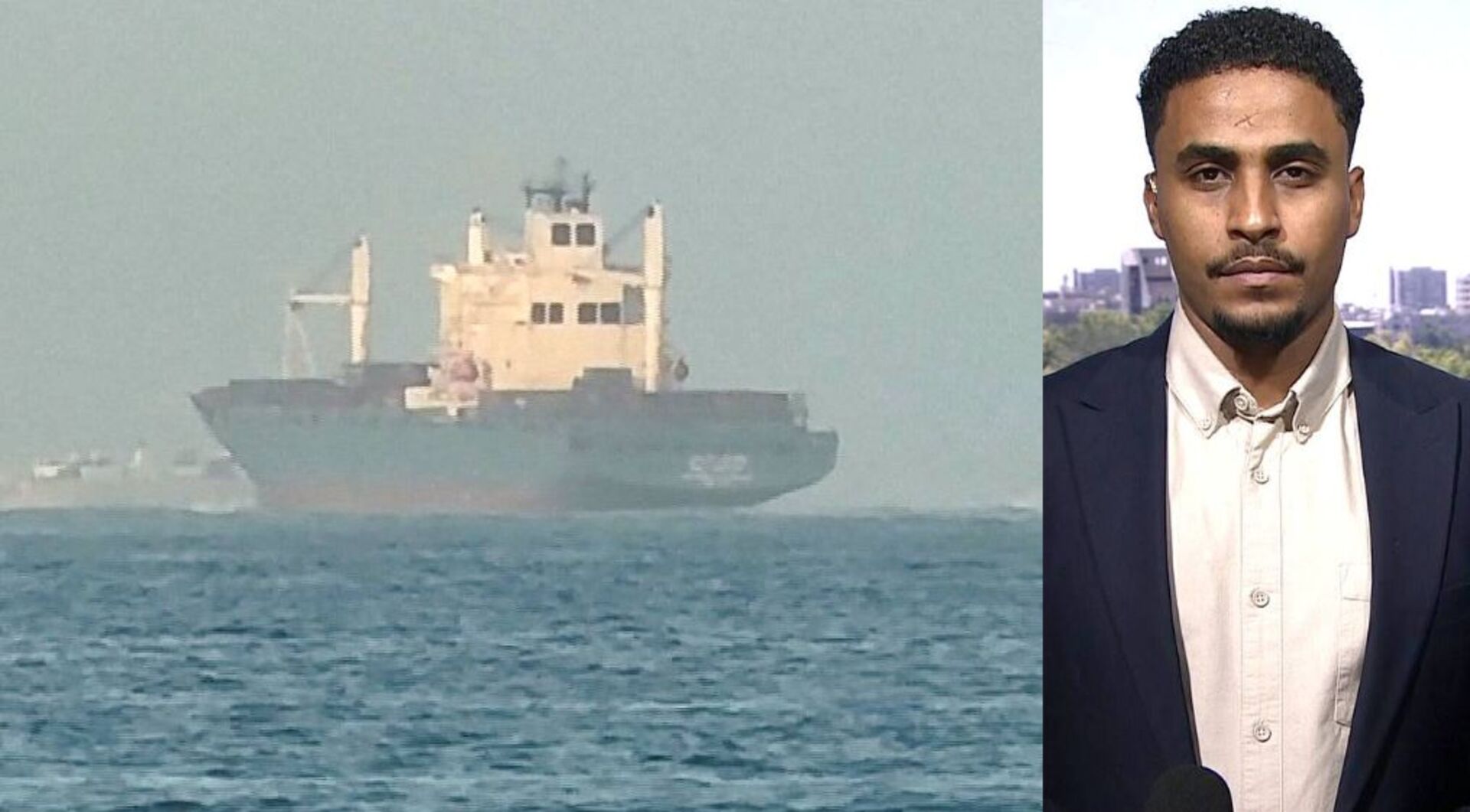
Iranian ships transit Hormuz in ‘first tangible outcome’ of MoU


Wednesday, June 10, 2026

Inflation hits highest level since 2023, as the Iran war pushes up prices

Inflation hits highest level since 2023, as the Iran war pushes up prices

https://abcnews.com/Business/inflation-hits-highest-level-2023-iran-war-pushes/story?id=133741082 

Inflation hits highest level since 2023, as the Iran war pushes up prices

Inflation rose for a third consecutive month, matching expectations.

June 10, 2026, 8:35 AM


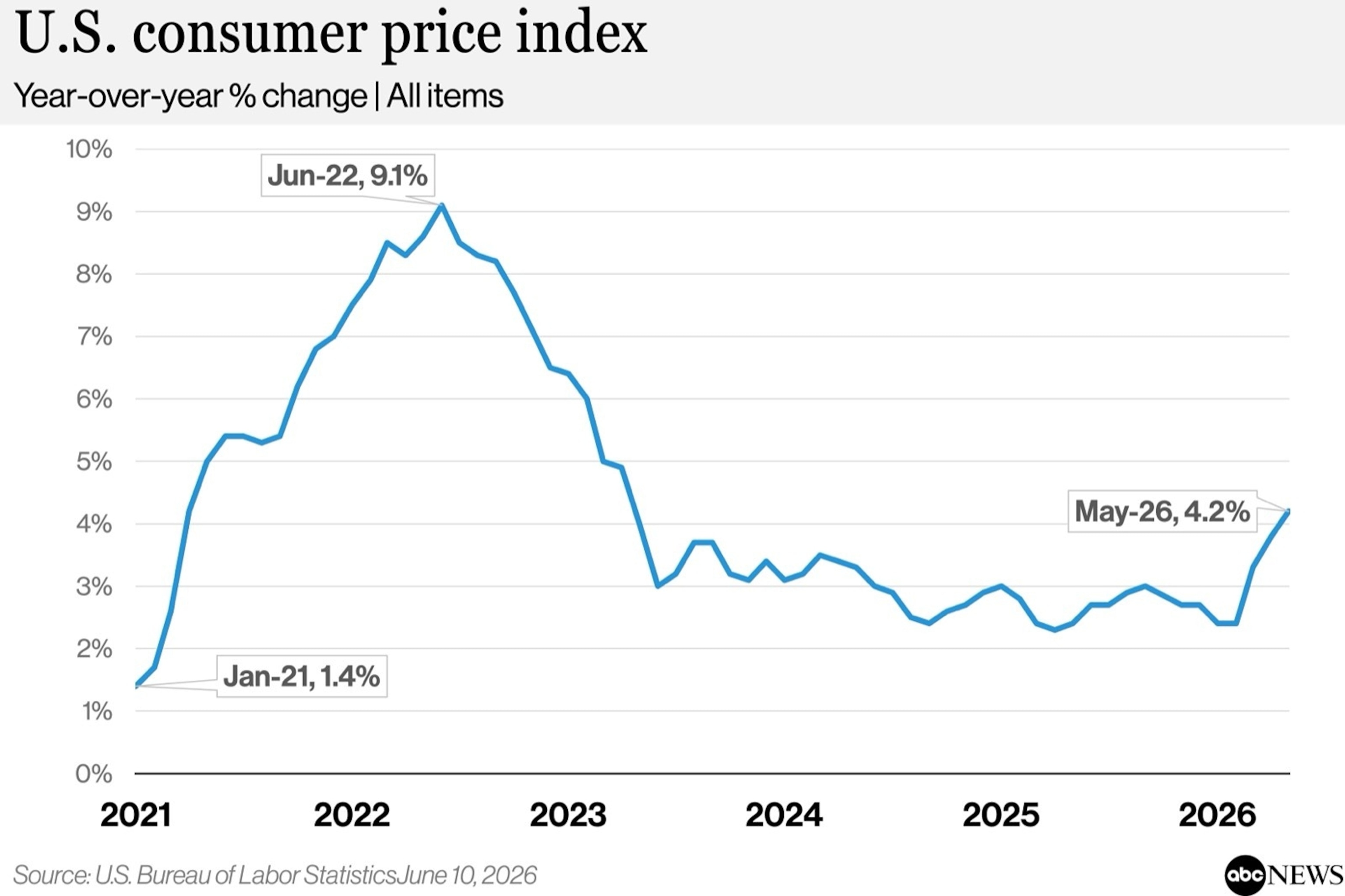
Inflation jumped for a third consecutive month as the Iran war continued to drive up prices in May, surpassing 4% for the first time in three years. The reading matched economists' expectations.

Prices rose 4.2% in May compared to a year earlier, marking an increase from a year-over-year inflation rate of 3.8% in the prior month, U.S. Bureau of Labor Statistics data showed.

As recently as February, inflation clocked in just a few ticks above the Federal Reserve's target level of 2%.

The Middle East conflict prompted the Iranian closure of the Strait of Hormuz, a maritime trading route that facilitates the transport of about one-fifth of global oil supply. The standoff triggered one of the largest oil shocks ever recorded.

U.S. consumer price index June 10, 2026
U.S. Bureau of Labor Statistics

Energy prices -- a broad index that includes gasoline -- soared 23% in May compared to a year earlier, data showed.

As a result, gasoline prices surged. The price of an average gallon of gas stood at $4.15 as of Wednesday, AAA data showed -- an increase of $1.17 per gallon since the war began on Feb. 28. That amounts to a nearly 40% price jump in about three-and-a-half months.

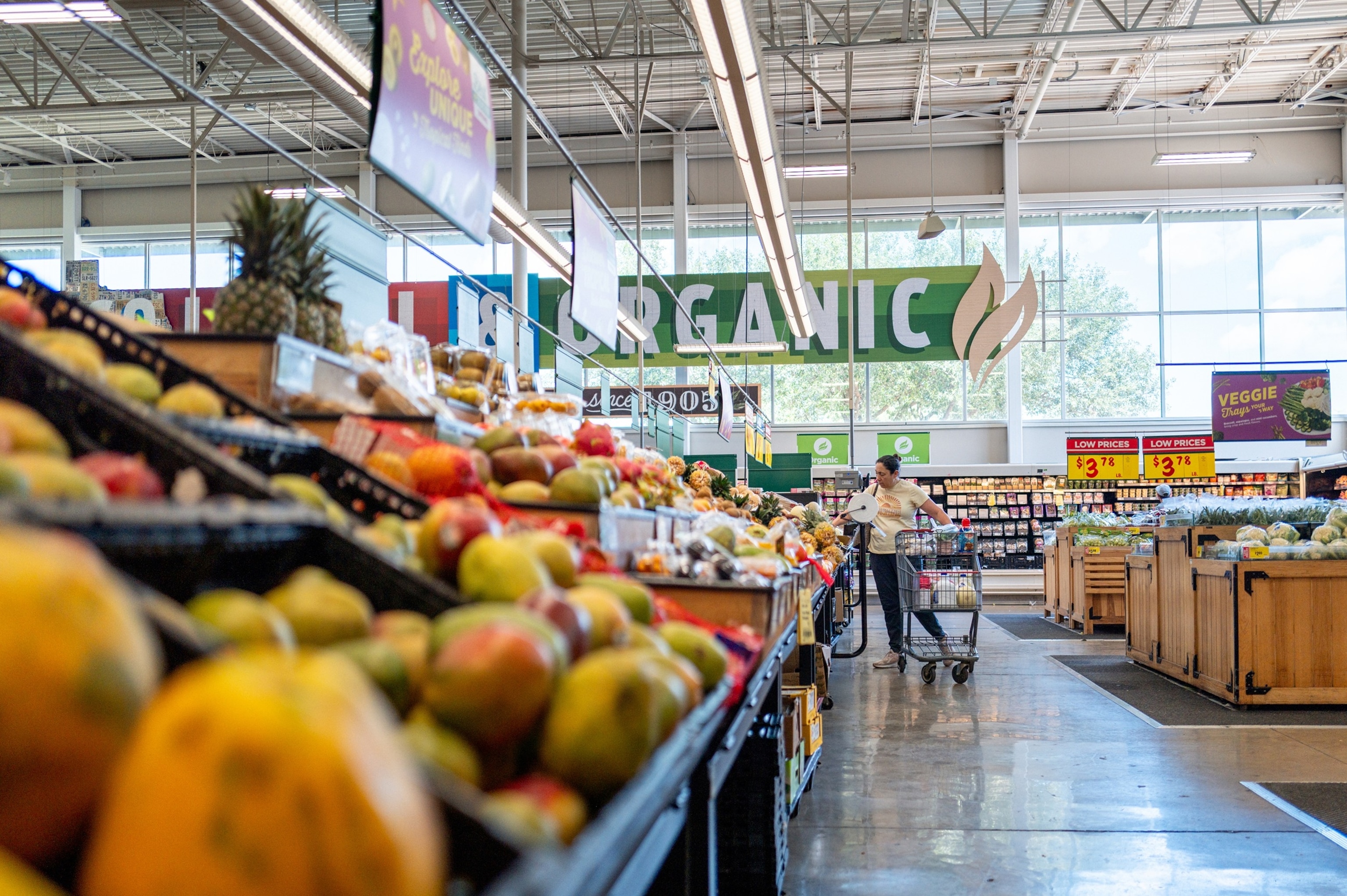
The oil shortage also drove up diesel prices, putting upward pressure on grocery prices. Diesel is the lifeblood of the food supply chain, fueling trucks and ships. Higher fuel costs for suppliers mean price hikes in grocery aisles as the increased costs are passed down the supply chain.

A customer shops for produce at an H-E-B grocery store on May 11, 2026 in Austin, Texas.
Brandon Bell/Getty Images

Prices for tomatoes soared 32% in May compared to a year earlier, government data showed. Seafood prices jumped 6% over that period, while beef prices climbed nearly 13%.

A persistent increase in consumer prices may put pressure on the Fed to raise interest rates as a means of dialing back inflation.

For now, futures markets overwhelmingly expect the Fed to hold interest rates steady when policy makers meet next week, according to the CME FedWatch Tool, a measure of investor sentiment.

The meeting will be the first since Kevin Warsh began a four-year term atop the central bank.

During his term as a Fed governor in the late 2000s and early 2010s, Warsh gained a reputation as an interest-rate "hawk," meaning he generally preferred higher interest rates as a means of ensuring low and stable inflation.

Last year, however, Warsh voiced support for lower interest rates, rebuking the Fed's concern about inflation risk posed by a flurry of new tariffs.

At his Senate confirmation hearing in April, Warsh emphasized the threat posed by elevated inflation.

"When inflation surges -- as it has done in recent years -- grievous harm is done to our citizens, especially to the least well-off," Warsh said


Tuesday, June 2, 2026

if you protest trumps 'victory' arch in dc you must be an an-archist

if you protest trumps 'victory' arch in dc you must be an an-archist

https://www.newsweek.com/trump-arch-washington-dc-columbia-islands-original-design-11977656 

News Article

The Original 1924 Columbia Island Design Trump Admin Citing To Build Arch

Soo Kim
By

Life and Trends Reporter

to see more of our trusted coverage when you search.

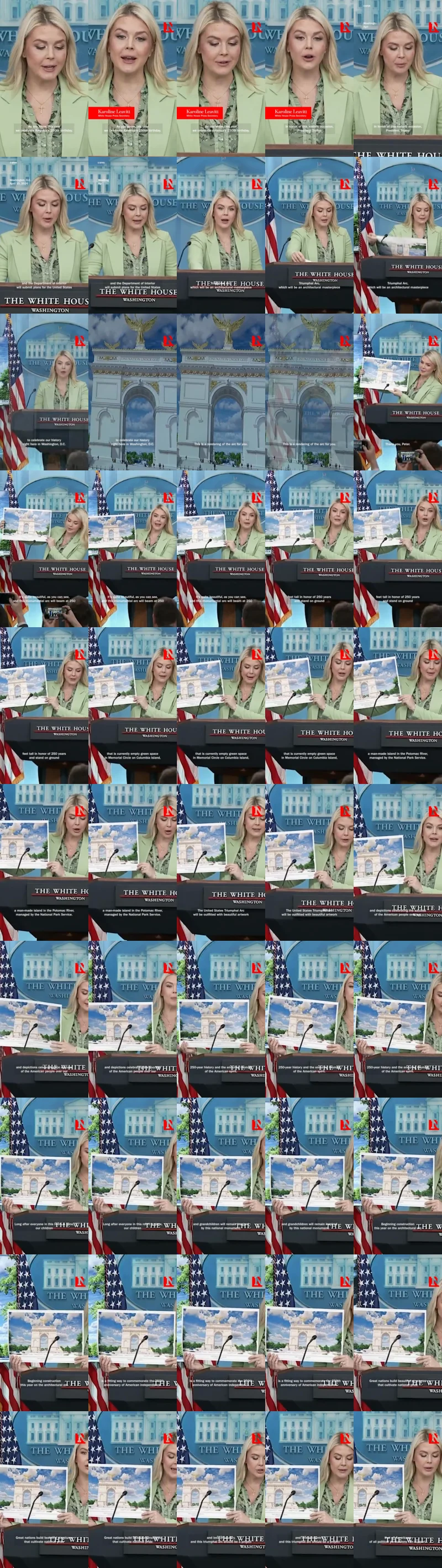
President Donald Trump's administration is pressing ahead with its plan for the 250-foot-tall Triumphal Arch at Memorial Circle on Columbia Island, also known as the Lady Bird Johnson Park—a historic site at the west end of the National Mall’s ceremonial axis.

The proposed monument would surpass Paris' Arc de Triomphe, the world's largest triumphal arch, which stands 164 feet high. Dubbed the “Arc de Trump,” critics argue that building the new monument on this traffic circle, which is managed by the National Park Service (NPS), requires explicit congressional authorization under federal law.

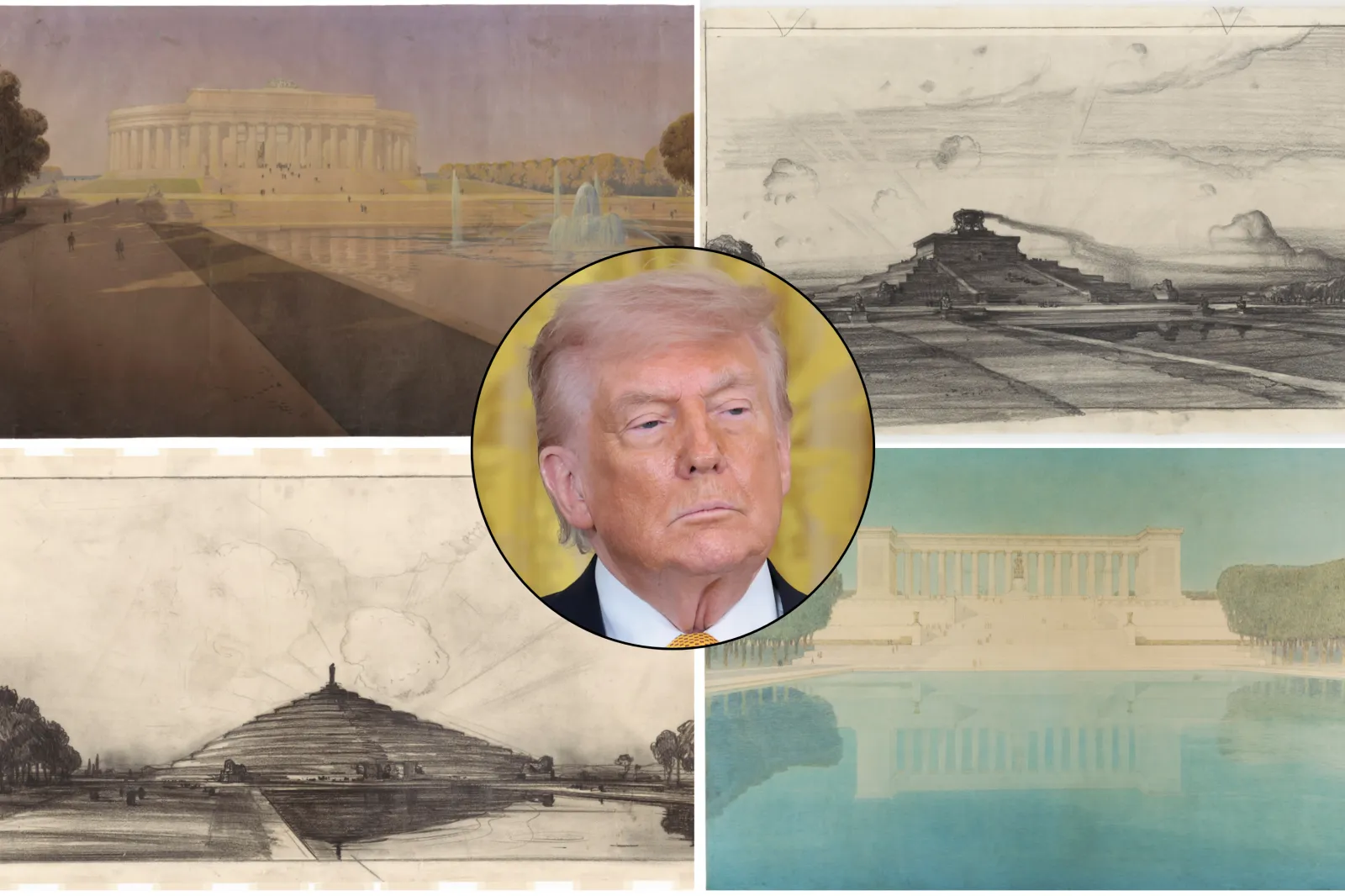
Administration officials, however, have leaned on a 101-year-old, never-built element of the Arlington Memorial Bridge Commission’s design vision for Columbia Island—a pair of monumental columns—to argue that the new arch is simply fulfilling a long-approved idea.

Read More

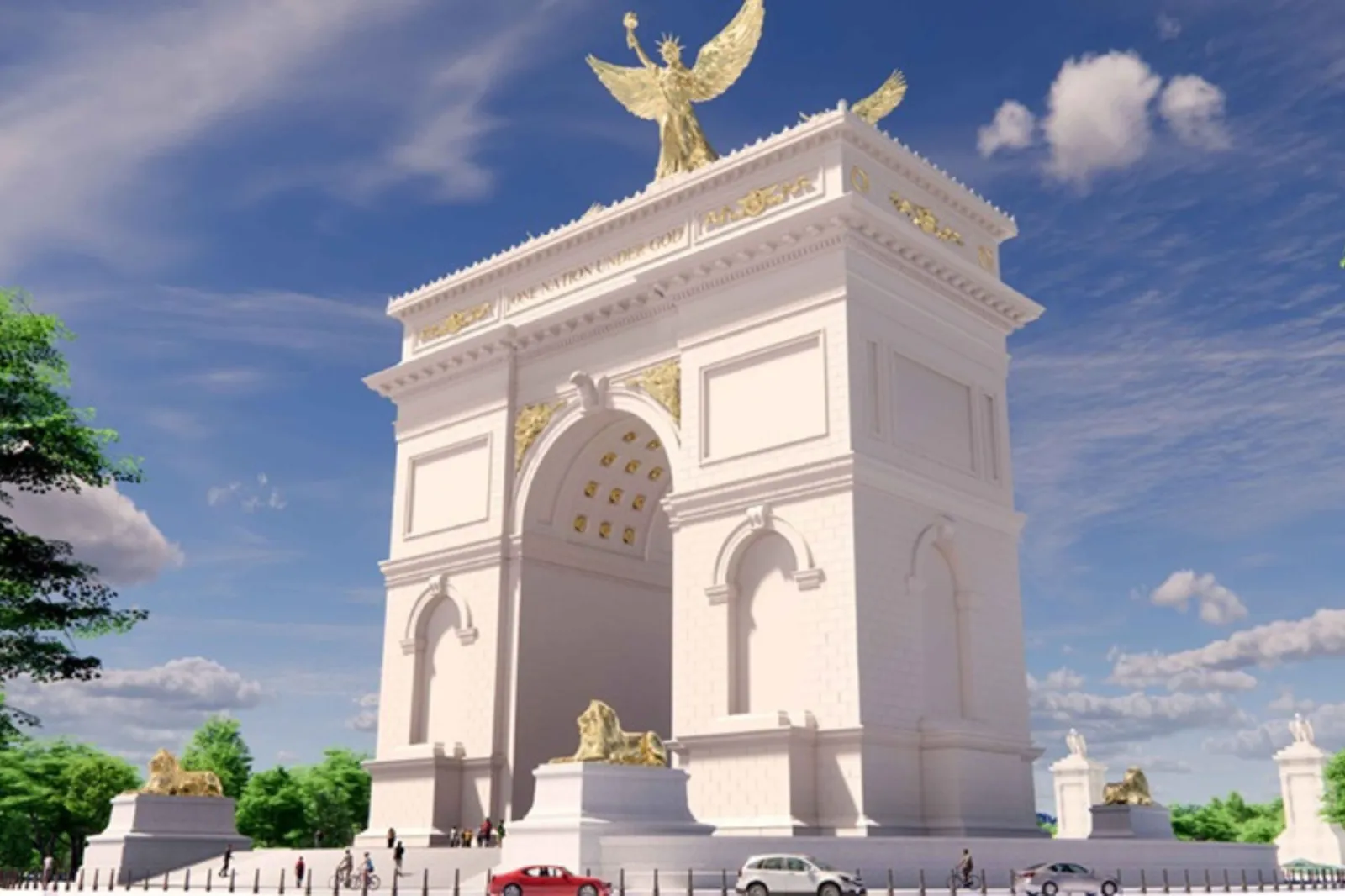
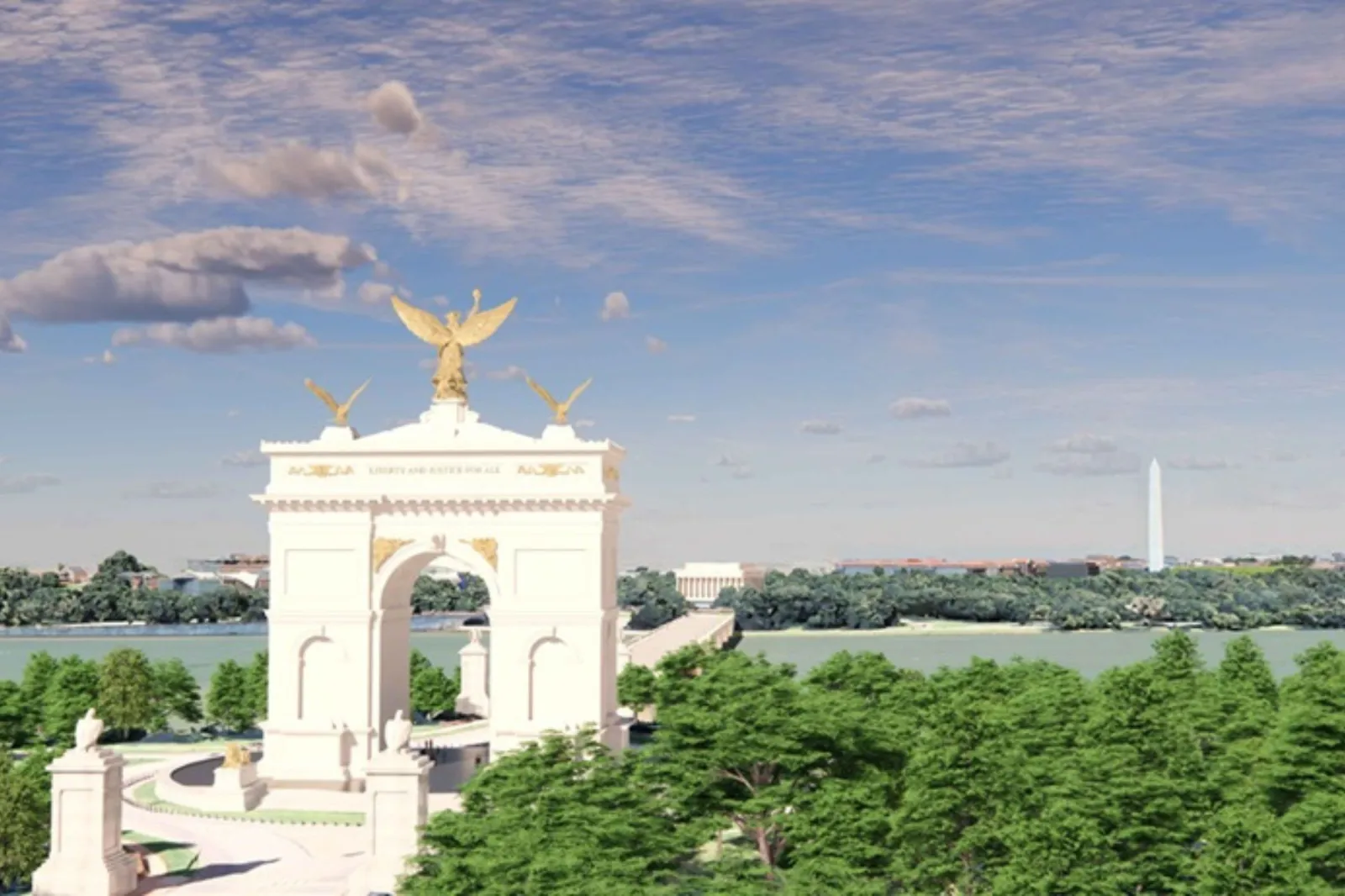
A rendering of the Triumphal Arch in Washington, D.C.
A rendering of the Triumphal Arch in Washington that will be at Memorial Circle. | Harrison Design/U.S. Commission of Fine Arts (CFA)

Memorial Circle is the traffic circle at the Virginia end of Arlington Memorial Bridge, sitting between the bridge and the ceremonial approach to Arlington National Cemetery, directly across the Potomac River from the Lincoln Memorial. The NPS describes the Memorial Bridge and Avenue corridor as a carefully composed monumental approach intended to symbolically link the Lincoln Memorial with Arlington House and the cemetery, representing post-Civil War national unity.

That symbolism is central to the preservation argument now being raised. Critics say the new arch would interrupt an intentionally open, axial vista that was designed to remain visually legible from one side of the river to the other.

The U.S. Commission of Fine Arts (CFA)—currently composed of Trump appointees—previously approved the arch’s design concept and is reviewing a revised proposal for the arch on Thursday.

Newsweek has contacted the White House, Department of the Interior (DOI), Commission of Fine Arts (CFA), and Department of Justice (DOJ) for comment via email.

Original Columbia Island Column Design

The Arlington Memorial Bridge Commission’s 1924 report, which was shared with Congress and formally ratified in 1925, laid out a broader monumental composition for the bridge and its approaches.

Independent Journalism Needs You!

Become a member for a fresh perspective—ad-free reading, access to our editors, and insight beyond the conventional wisdom.

Within that plan, Columbia Island was envisioned as a monumental setting for a pair of tall columns that would frame views toward the Lincoln Memorial.

“The columns are feet high or practically of the same height as the Colonne de Juillet in Paris,” the report noted.

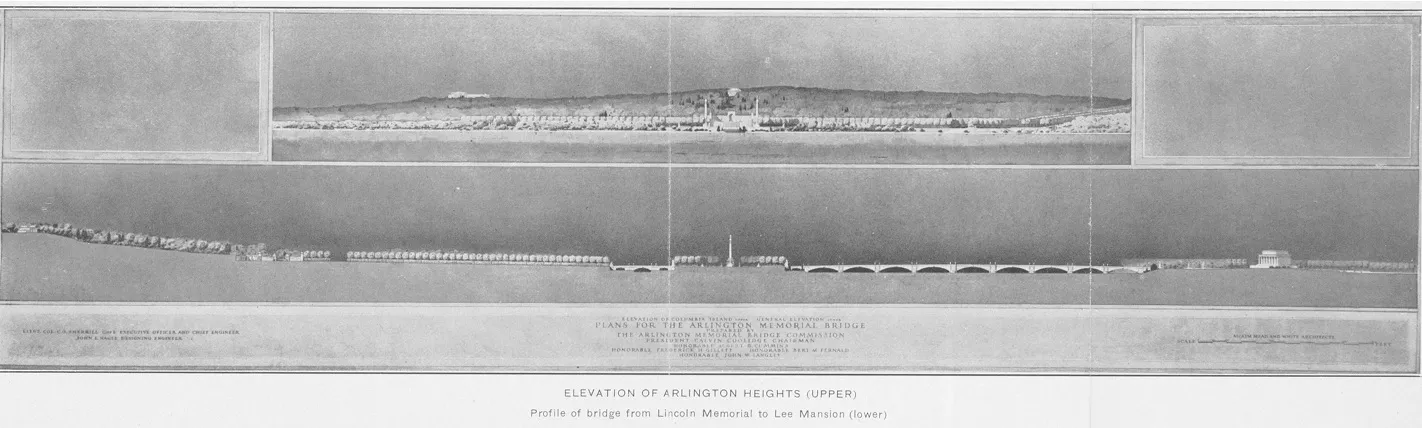
Profile view of the Arlington Memorial Bridge from the 1924 commission report.
A screenshot of a profile view of the Arlington Memorial Bridge (bottom half of the image), with the Columbia Island columns at the center; a front vi... | U.S. Congress

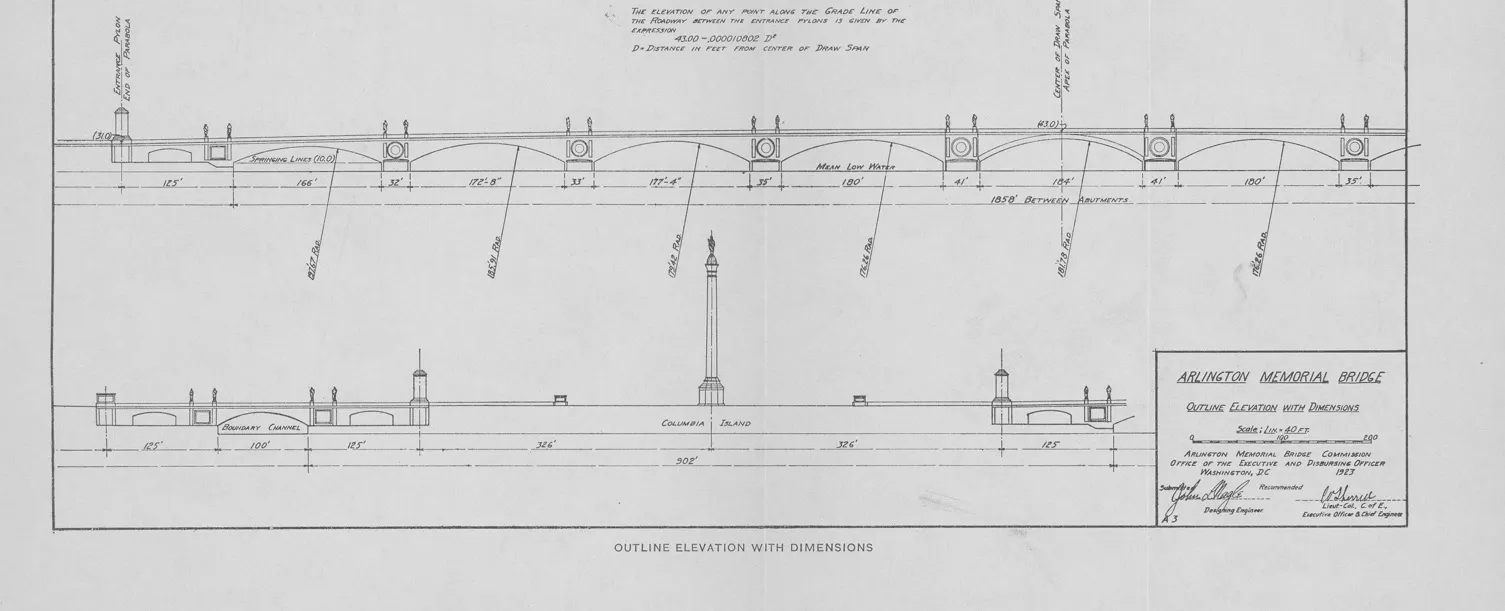
The plans in the report state there were to be two 166-foot-tall columns on the island. Images submitted with the plans show how the bridge and Columbia Island would look, alongside a more detailed elevation outline showing the column and statue separately.

A screenshot of a detailed outline of how the bridge and the two 166-foot columns on Columbia Island would look, submitted as parts of the 1924 commission report.
A screenshot of a detailed outline of how the bridge and the two 166-foot columns on Columbia Island would look, submitted as part of the 1924 commiss... | U.S. Congress

Interior Secretary Doug Burgum has invoked that unrealized column idea as evidence that Congress had already endorsed a monumental structure concept for the site.

The 1924 plan aimed to keep the bridge itself low and ceremonial, using vertical markers (pylons, and later proposed columns) as punctuation at the ends and on Columbia Island—rather than placing a dominant mass directly in the middle of the traffic circle.

How Proposed Triumphal Arch Compares

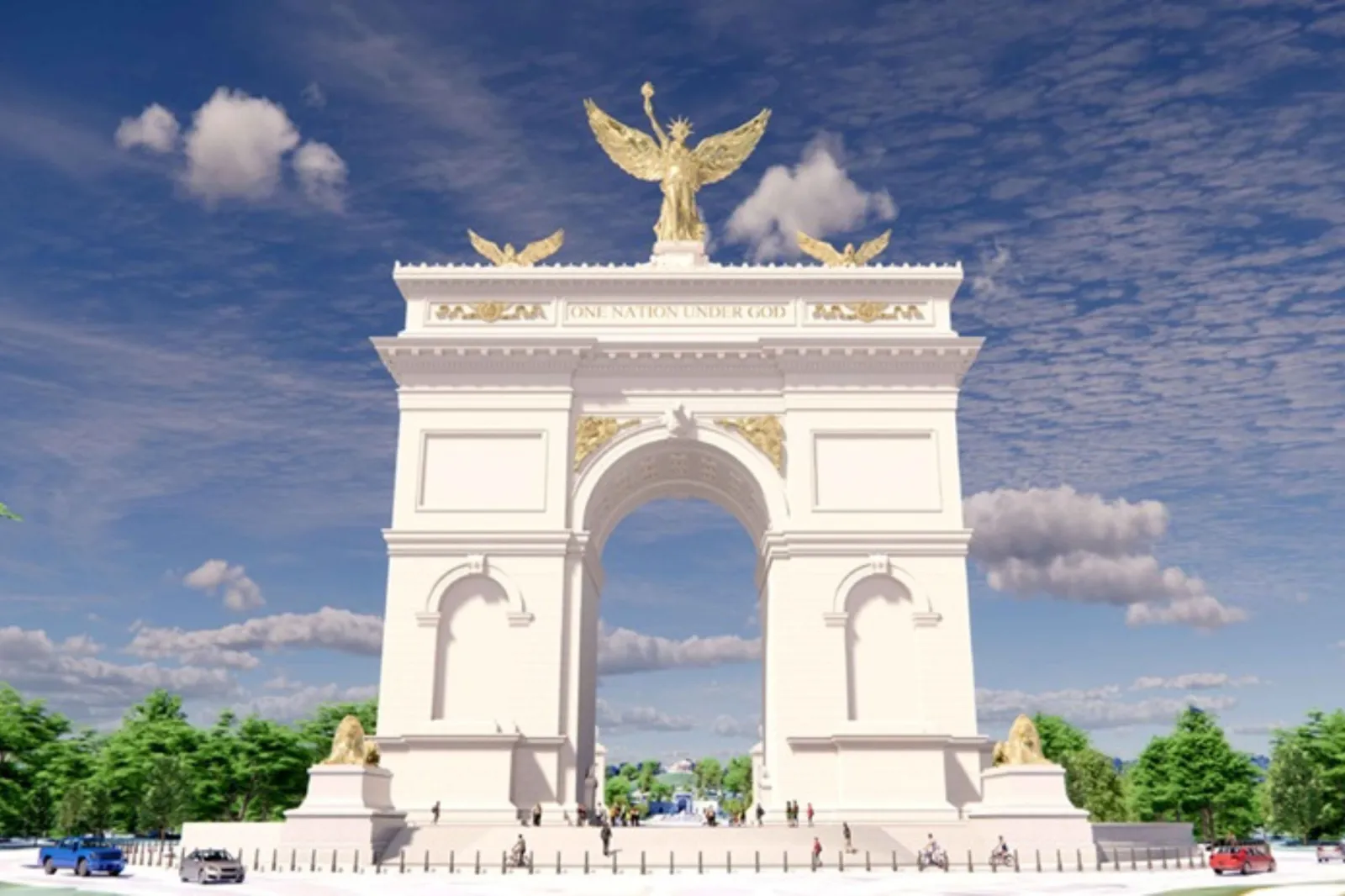
The administration’s Triumphal Arch proposal is not a pair of columns. It is a single, highly sculptural arch modeled on Paris’ Arc de Triomphe and designed to rise to 250 feet—one foot per year of American independence—making it far taller than classic European counterparts and more than twice the height of the Lincoln Memorial.

A rendering of the Triumphal Arch in Washington, D.C.
A rendering of the Triumphal Arch in Washington that will stand 250 feet tall. | Harrison Design/U.S. Commission of Fine Arts (CFA)

Some of the main features of the proposed arch include:

  • A 250-foot overall height and placement at Memorial Circle
  • A crown of eagles and a winged “Lady Liberty” figure with gold elements
  • Gold-lettered inscriptions reading “One Nation Under God” and “Liberty and Justice for All”
  • An observation deck offering 360-degree views

Renderings filed with the CFA show the main arch mass as 166 feet to the roofline—the exact same height as the original column designwith other elements bringing the total to 250 feet. The filing also described the archway’s opening dimensions and decorative features.

A rendering of the proposed Triumphal Arch in Washington, D.C.
A rendering of the proposed Triumphal Arch in Washington that critics say will "overwhelm the Lincoln Memorial, Arlington National Cemetery and Arling... | Harrison Design/U.S. Commission of Fine Arts (CFA)

The contrast with the earlier column concept is stark—the earlier plan’s iconic verticals were two slender columns, with statues on top, intended to “frame” the Lincoln Memorial, while the proposed arch is a single monumental mass placed in the center of Memorial Circle with a large sculptural program and an occupiable deck.

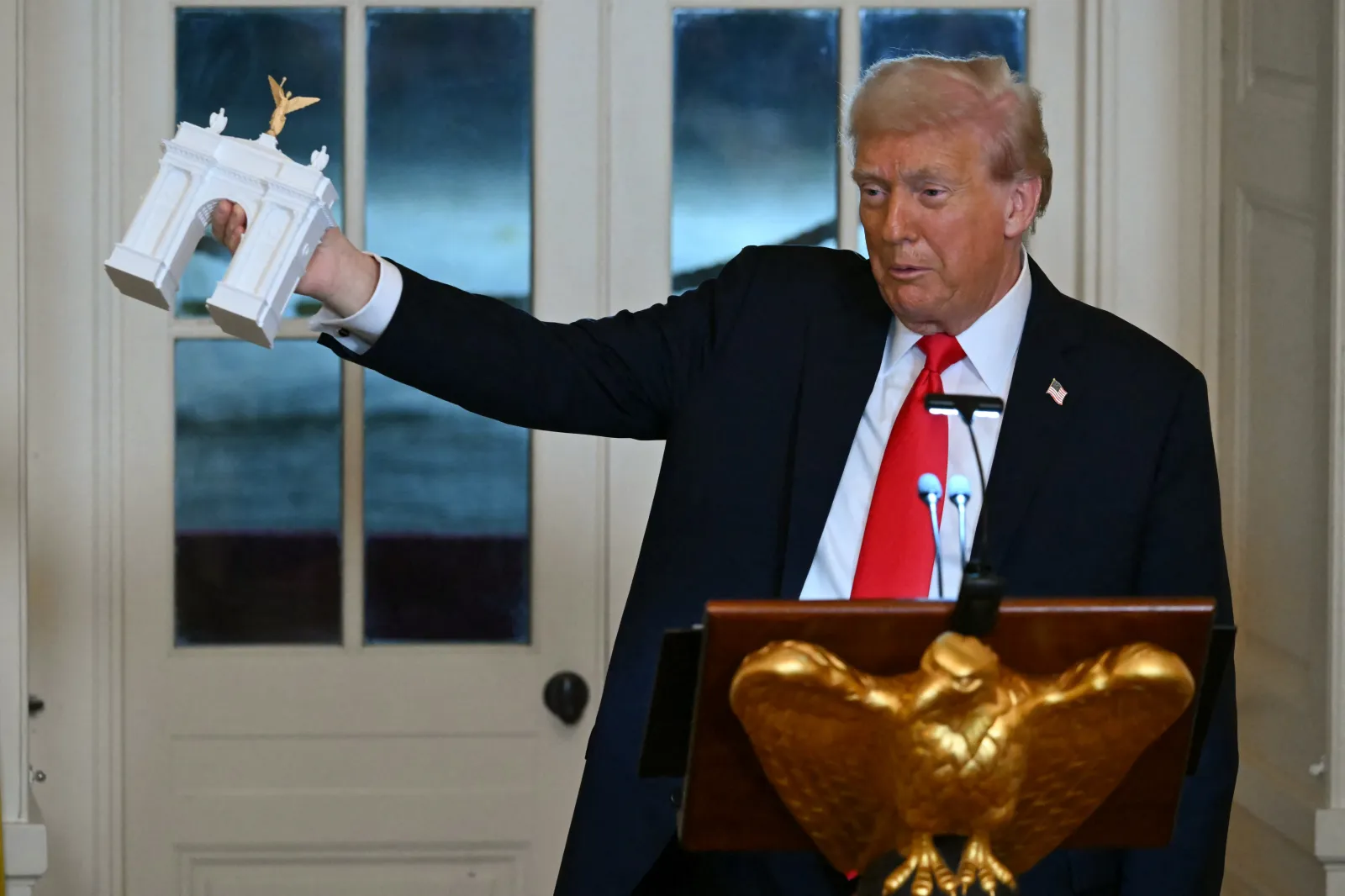
In October 2025, Trump displayed models of the arch at a White House donor dinner and, when asked by a reporter who the arch was for, he replied: “Me.”

Trump previously said that Washington was "the only city in the world that's of great importance that doesn't have a triumphal arch."

"It is something that is so special," he said. "It will be like the one in Paris but to be honest with you it blows it away."

He was referring to the Arc de Triomphe in Paris, which was constructed in the 19th century to honor those who died in the French revolutionary and Napoleonic wars.

President Donald Trump holds up a model for a proposed Triumphal Arch as he speaks during a dinner at the White House on October 15, 2025.
President Donald Trump holds up a model for a proposed Triumphal Arch at the White House on October 15, 2025. | Getty