Friday, August 7, 2026

Turkiye, Saudi Arabia, Pakistan sign joint defence agreement: What’s in it?

Turkiye, Saudi Arabia, Pakistan sign joint defence agreement: What’s in it?

 https://www.aljazeera.com/news/2026/8/7/turkiye-saudi-arabi-pakistan-sign-joint-defence-agreement-whats-in-it

Turkiye, Saudi Arabia, Pakistan sign joint defence agreement: What’s in it?

Pact will ‘reshape security architecture’ of the region, experts say.


Saudi Arabia
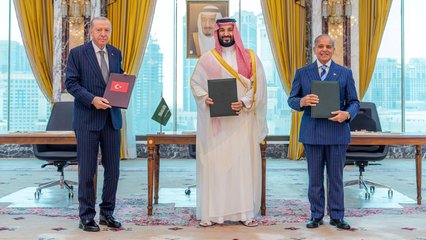
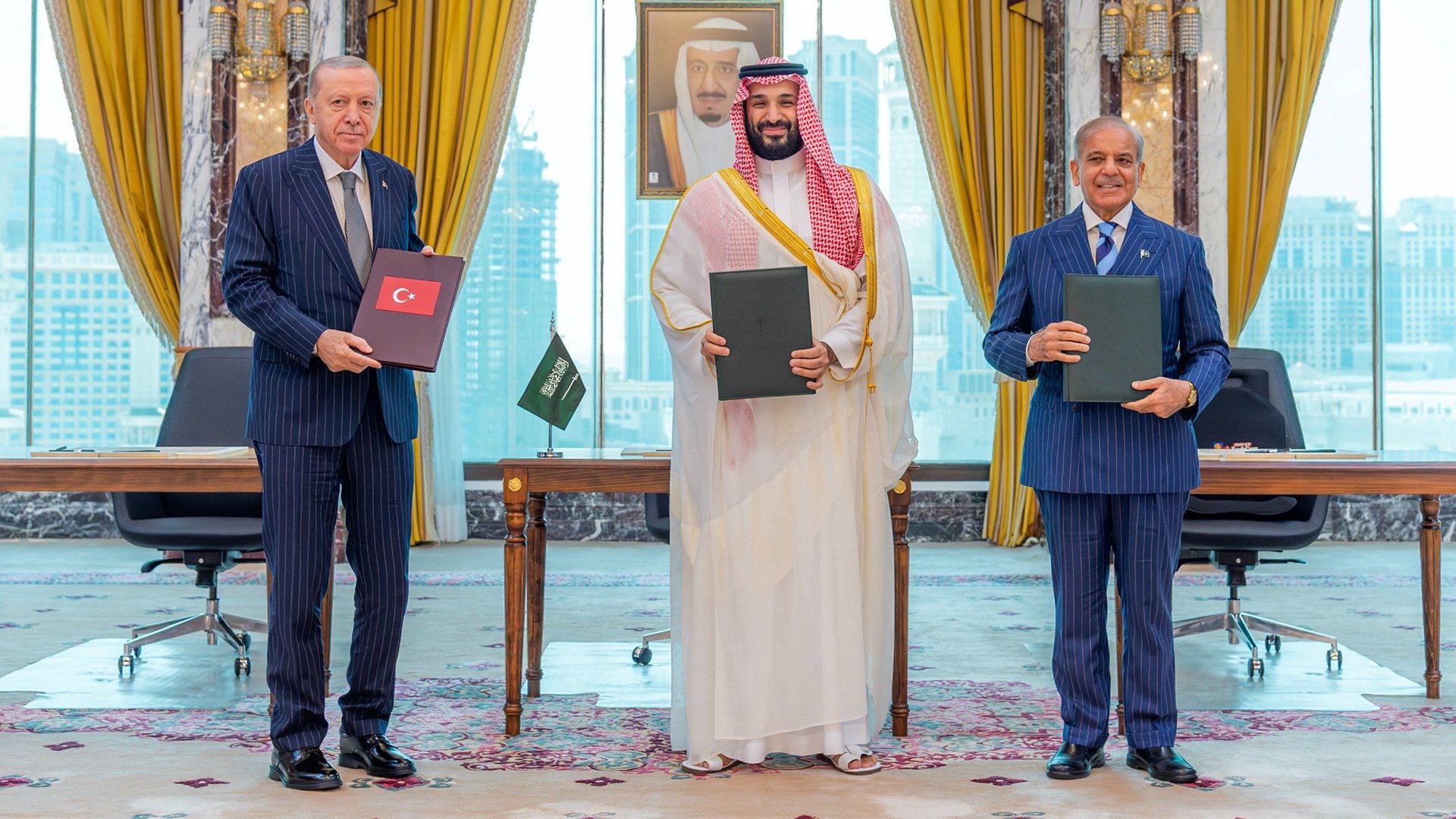
Turkish President Recep Tayyip Erdogan, Saudi Crown Prince Mohammed bin Salman and Pakistan's Prime Minister Shehbaz Sharif, accompanied by their ministers of foreign affairs and defence, pose after signing a joint defence agreement in Mecca, Saudi Arabia [Murat Cetinmuhurdar/Turkish Presidential Press Office/Handout via Reuters]

Saudi Arabia, Pakistan and Turkiye have signed a joint defence pact as tensions in the Middle East continue to escalate with the United States and Israel’s war on Iran.

The agreement, called the Mecca Joint Deterrence Agreement, was signed in the Saudi holy city of Mecca on Friday by Turkish President Recep Tayyip Erdogan, Saudi Crown Prince and Prime Minister Mohammed bin Salman and Pakistani Prime Minister Shehbaz Sharif.

Recommended Stories

list of 3 itemsend of list

The pact is intended to provide a collective deterrence against any act of aggression by stipulating that an armed attack against any of the three would be regarded as an attack on all, the partners said jointly.

In a statement of its own, the Pakistani Ministry of Foreign Affairs said the joint defence deal signed was “guided by the longstanding historical ties among the three states, based on the enduring bonds of brotherhood and Islamic solidarity that unite them, and building upon their shared strategic interests and longstanding defence cooperation”.

The agreement reflects “the three states’ shared commitment to further strengthening their collective security and to promoting peace, security, and stability in the region and beyond, in pursuit of a secure and prosperous future”, it added.

The deal comes a day after Pakistani Prime Minister Shehbaz Sharif, accompanied by powerful army chief Asim Munir, arrived in Saudi Arabia and performed the Umrah pilgrimage in Mecca.

Turkish President Recep Tayyip Erdogan also travelled to Saudi Arabia on Friday to meet Saudi Crown Prince Mohammed bin Salman.

Here’s what we know about what this pact contains:
0:42
  • Now Playing
    00:42
    Saudi Arabia, Turkiye and Pakistan sign joint defence pact

    Saudi Arabia, Turkiye and Pakistan sign joint defence pact

  • Next
    25:00
    Imade

    Imade


Why has this pact been made now?

The defence agreement between Ankara, Riyadh and Islamabad has been in the making for some time. Negotiations began soon after the October 7, 2023 Hamas attack on Israel and the onset of the subsequent Israeli genocide in Gaza, and gained pace amid the US and Israel’s ongoing war on Iran.

Want to come back to this article? Save it for later.

While Turkiye and Pakistan have not been directly impacted by tensions in the region so far, Saudi Arabia, which hosts US military assets and infrastructure, has come under attack from Iran and its allies, the Houthis in Yemen. Tehran has also attacked other Gulf nations and Jordan, which also host US military assets.

But the three nations have been particularly concerned about the impact of Iran’s war and Israel’s growing influence – and attacks – on the region. Israel has occupied roughly one-fifth of Lebanon as it allegedly targets strongholds of the Lebanese armed group, Hezbollah, which is also backed by Iran. Meanwhile, Iran-backed groups in Iraq have been accused of carrying out drone attacks in Saudi Arabia and have, themselves, come under fire from US and Israeli attacks.

Reporting from Ankara, Turkiye, Al Jazeera’s Resul Serdar said that, according to officials there, the escalating regional tensions have indeed forced the countries to come together.

“Post-October 7 has changed the region dramatically, with the Israeli actions and expansionism. And now there is the crisis in the Strait of Hormuz and ongoing attacks on Iran, as well as Iran’s response to the regional countries,” he said.

“So there have been several layers of necessity converging, and forcing these three big countries to come together and sign this binding agreement,” he added.

On March 19 this year, the foreign ministers of Turkiye, Pakistan and Saudi Arabia met in Riyadh during an Islamic summit, in which they discussed what a joint security agreement could look like.

Before this meeting, in September 2025, Pakistan and Saudi Arabia also signed a mutual defence agreement. The agreement came in the wake of an Israeli attack on the Qatari capital, Doha, on September 9, 2025.

Ozgur Unluhisarcikli, the managing director of the German Marshall Fund of the United States’ South and Wider Europe office and the regional director for Turkiye, told Al Jazeera that this defence deal reflects a growing desire for greater regional strategic autonomy at a time when confidence in the existing security order has eroded.

“The three countries also share a broadly state-centric view of regional stability. Despite their differences, they tend to see strong central governments, territorial integrity, and functioning state institutions as the foundation of order, while viewing state fragmentation, civil conflict, and the empowerment of non-state actors as sources of long-term instability,” he said.
5:43
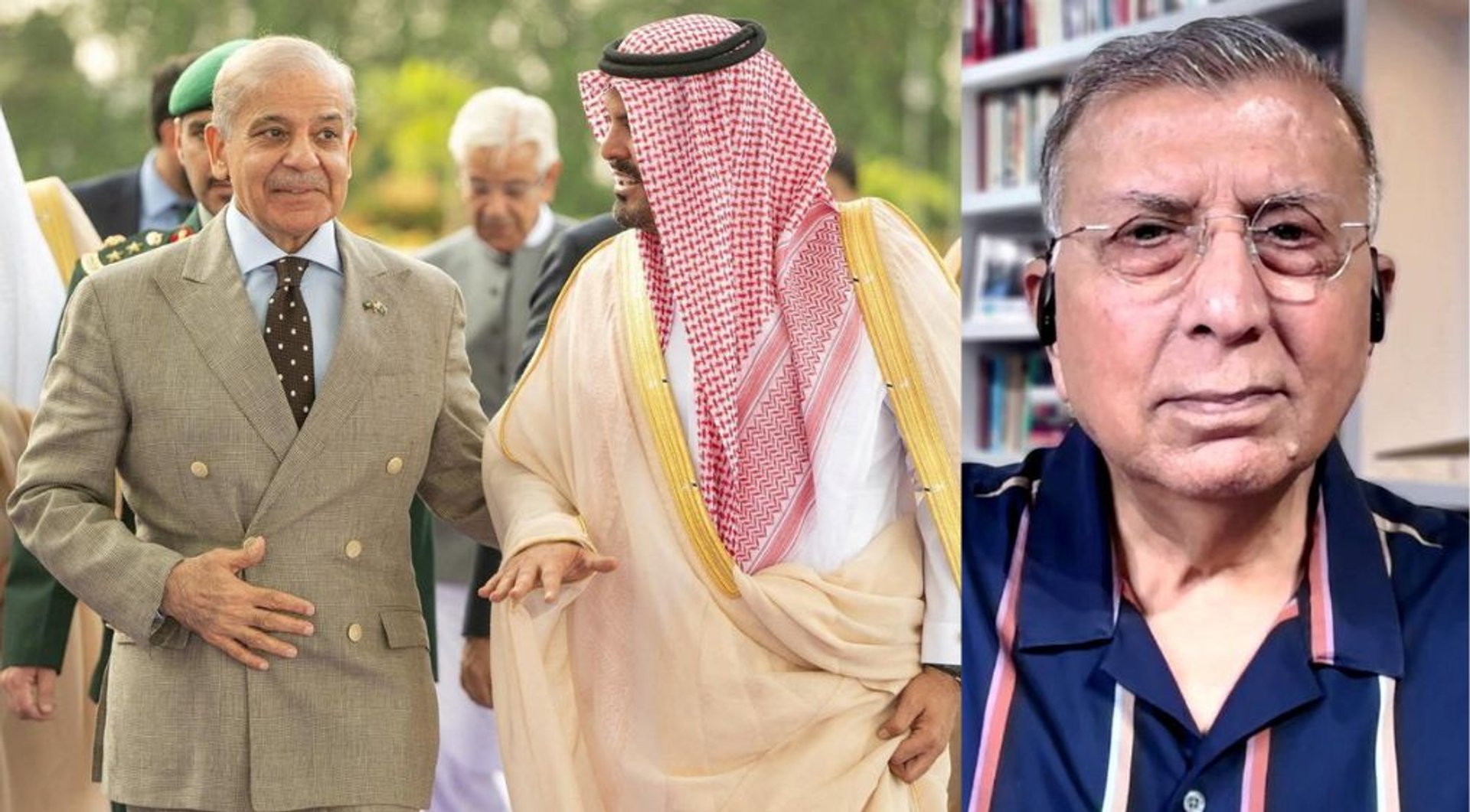
Why is Pakistan PM Shehbaz Sharif visiting Saudi Arabia amid Gulf tensions?

What does this pact do?

The trilateral deal is understood to build on a pact already in place between Ankara and Islamabad. It will harness the military and financial strengths of each country, analysts say. While Turkiye has NATO’s second-largest military, Saudi Arabia is the world’s top oil exporter, and Pakistan is the only Muslim nation with nuclear weapons.

Unluhisarcikli said the three partners bring complementary strengths, “including Turkey’s defence-industrial capabilities, Saudi financial muscle and influence, and Pakistan’s military experience and strategic deterrent”.

“It should be noted that this is a framework for closer strategic, military, and defence-industrial coordination among three influential regional powers and not a mutual defence pact that can be compared to NATO,” he added.

Murat Aslan, an associate professor of international politics at Hasan Kalyoncu University in Gaziantep, Turkiye, told Al Jazeera the pact can also be expected to cover “capacity building”.

“We know that Saudi Arabia is dependent on importing their defence products, weapons or equipment, especially from the United States for decades, and we know that it’s not cost-effective and they need to build their own defence sector inside Saudi Arabia,” Aslan said.

“Turkiye and Saudi Arabia share two different issues: First of all, Iran, and you can add Pakistan to that… have shared borders and there is a great sense of threat in the minds of Saudis that Iran may have an impact on their security, so this pact will somehow [expand] their security,” he added.

Reporting from Doha, Al Jazeera’s Osama bin Javaid said the deal essentially puts three of the largest Muslim populations together on the roadmap for joint peace, to deter any act of aggression against them, to ensure they are “in tune” with each other when it comes to intelligence sharing, and to enhance cooperation in other areas including energy, defence expenditure and manufacturing.

“The three of them combined now present a force that will take this region towards a different security architecture than the one in place over the last few decades, especially in the wake of the Iran war,” he said.

How has Iran reacted to this agreement?

There has been no official statement from the Iranian leadership.

However, Iranian MP Ebrahim Rezaei criticised the pact in a post on X on Friday.

“Saudis must know that a paper agreement with Türkiye and Pakistan will not bring them security, just as years of one-sided dependence on the Americans did not bring them security,” he wrote.

“Reform your policies so that you do not need to beg for security from others.”

X trackers and content blocked

Your Firefox settings blocked this content from tracking you across sites or being used for ads.

Content from blocked embed
سعودی‌ها باید بدانند که توافق کاغذی با ترکیه و پاکستان برای آنها امنیت‌آور نیست، همان‌طور که سال‌ها شیردهی یکطرفه به آمریکایی‌ها برایشان امنیت نیاورد. سیاست‌هایتان را اصلاح کنید تا نیاز نباشد از دیگران #گدایی_امنیت کنید. — ابراهیم رضایی (@EbrahimRezaei14) August 7, 2026

What does this pact mean for Israel?

So far, neither Israeli Prime Minister Benjamin Netanyahu’s office nor the Israeli Ministry of Foreign Affairs have commented on the new defence pact between Saudi Arabia, Turkiye and Pakistan.

A Turkish official told the Reuters news agency on Friday that the agreement between the three nations is defensive in nature and not directed at any specific actor. It is also open to other regional countries.

However, the three nations are known to have been particularly concerned about Israel’s influence and recent growing attacks in the region.

In early July, speaking alongside Pakistan’s Sharif in Istanbul, Turkish President Recep Tayyip Erdogan said peace efforts in the Middle East would not succeed without regional backing and added that Israel must not be allowed to “dynamite” a US-Iran deal.

“We are closely following the Israeli administration’s attempts to dynamite the (US-Iran) deal … The current war-addicted Israeli government must not be allowed to drown our geography in the smell of gunpowder and blood again,” he said.

The Turkish leader has repeatedly accused Israel of trying to undermine the US-Iran Memorandum of Understanding, which was signed on June 17 to halt fighting and allow time for negotiations.

Erdogan has also repeatedly condemned Israel’s attacks in Gaza, Lebanon and Syria.

For its part, Pakistan has condemned Israel’s genocidal war on Gaza, where more than 71,000 people have been killed in attacks since October 2023, including more than 1,000 since a supposed US-brokered ceasefire was announced last year. It has also condemned any notion of a so-called “Greater Israel”.

But in the US and Israel’s war on Iran, Pakistan has taken on the role of mediator, striving to prevent a regional war.

US President Donald Trump has long hoped to persuade Saudi Arabia to sign the so-called Abraham Accords, normalising relations between Israel and Muslim countries. But Saudi Arabia has also repeatedly condemned Israel’s actions in Gaza and the occupied West Bank and insisted it will not do so until there is a clear path for Palestinian statehood, which Israel’s current government staunchly opposes.

In a July 20 report, Yasmine Farouk, the project director for the Gulf and Arabian Peninsula region in the International Crisis Group, wrote that closer defence ties between Turkiye, Pakistan, Saudi Arabia and also Egypt reflects a hard-won realisation among these four states that “security in their neighbourhood can no longer be left at the mercy of rivalry between the US and Israel, on one side, and Iran, on the other.

“Many officials in these countries had reached this conclusion before the US and Israel launched their assault on Iran in late February. But the war and subsequent Iranian retaliation, including both missile and drone strikes on Gulf Arab states and closure of the Strait of Hormuz, lent it fresh and urgent impetus,” she said.

She noted, however, that several Israeli and US commentators and officials have cast these nations’ joint security dynamics “as an anti-Israel or anti-Israel/UAE bloc of Sunni states”.

In February this year, during a conference in Jerusalem, former Israeli Prime Minister Naftali Bennett alleged that Turkiye is “the new Iran” and said Ankara is trying to turn Saudi Arabia against Israel and build a hostile Sunni axis with Pakistan.
2:20
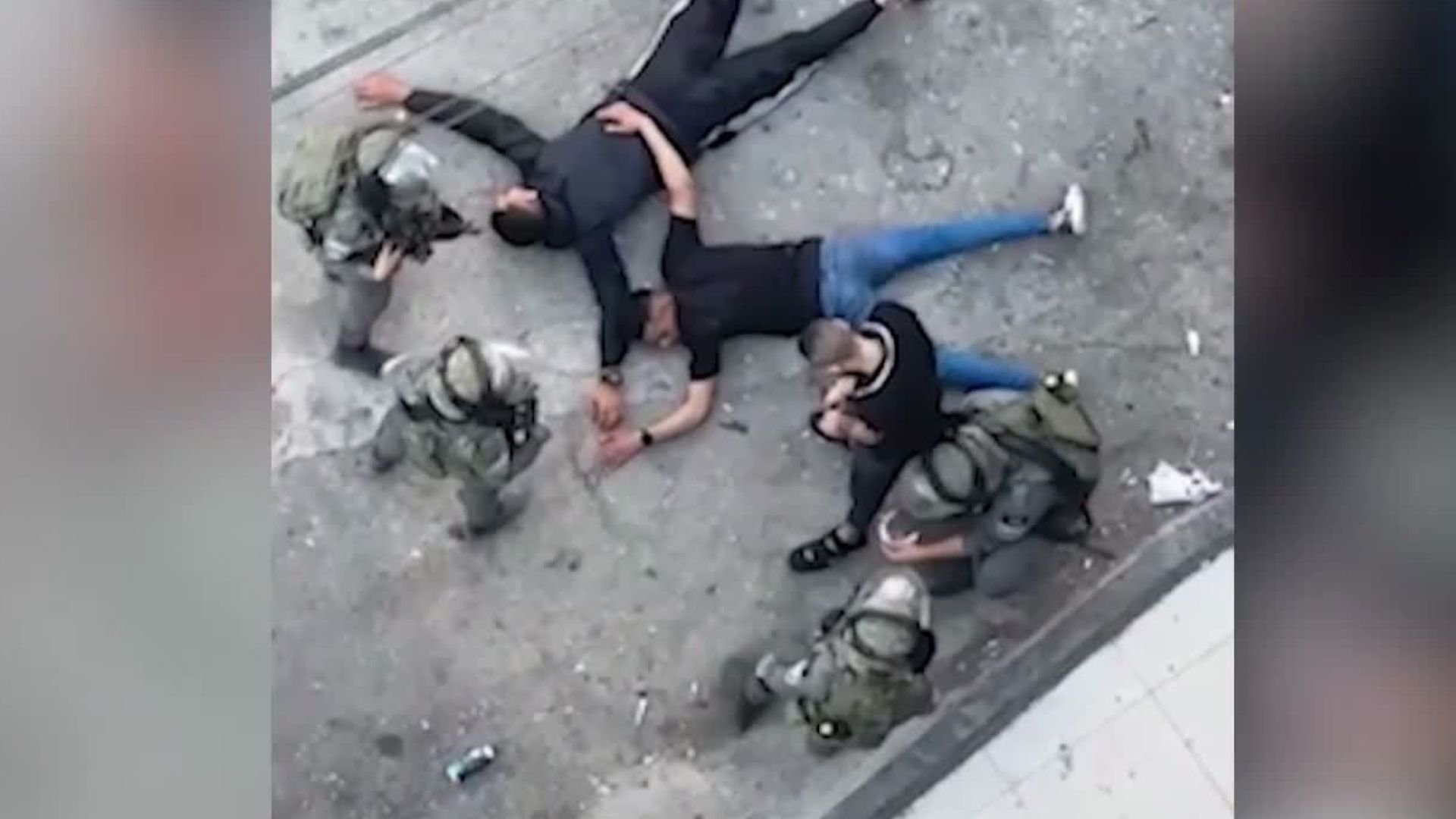
Israeli raids and settler attacks intensify across occupied West Bank


Trump faces calls for windfall tax on big oil’s profits from Iran war

Trump faces calls for windfall tax on big oil’s profits from Iran war

https://www.theguardian.com/us-news/2026/aug/07/trump-windfall-tax-big-oil-iran-war 

a man in a suit points while standing near an oil tanker
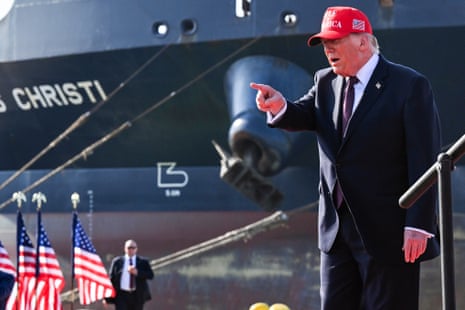
Donald Trump points before speaking at the Port of Corpus Christi near an oil tanker ship that arrived from Venezuela in Texas in February. Photograph: Roberto Schmidt/Getty Images

Trump faces calls for windfall tax on big oil’s profits from Iran war

US president’s complaint industry ‘making too much money’ comes after his policies boosted corporations


“Trump’s declaration that big oil is ‘making too much money’ belies his accommodation and giveaways to the industry that have enabled its price-gouging – not to mention his disaster of a war of choice against Iran,” said Tyson Slocum, energy program director at the consumer advocacy non-profit Public Citizen. “But like a broken clock that’s correct twice a day, the president is right that oil companies are ‘making too much money’, which means Trump should endorse a windfall profits tax.”

ExxonMobil and Chevron on Friday both reported windfall profits for the second quarter of the year. Chevron said its earnings soared nearly 400% to $12bn, while Exxon’s profits more than doubled to $14.5bn. On Monday evening, Trump took aim at those gains, saying the companies “ought to give some of that back to the public”.

“They’re making too much money based on a shortage,” he told reporters at the White House. “I don’t like it.”

Not long ago, however, Trump was celebrating the fact that the war on Iran, which he launched with Israel in February, has pushed up gas prices. “When oil prices go up, we make a lot of money,” he said on social media in March.

Earlier that month, Trump claimed that Iran’s shutdown of the major shipping route the strait of Hormuz “doesn’t really affect” the US the way it does “other countries” because it is the top global crude producer, and because just a small portion of the country’s oil imports comes from the Persian Gulf. But oil prices are influenced by global markets and supply chains, experts have noted.

Trump has also relentlessly boosted oil and gas interests while in office. In 2024, he reportedly met with more than 20 oil bosses, seeking $1bn in campaign donations from their industry and promising if elected to remove dozens of environmental regulations.

While he did not manage to get to that $1bn figure, he did obtain record contributions from the sector. Since re-entering the White House last year he has eased dozens of restrictions and regulations on fossil fuel expansion, exempted fossil fuel producers from environmental rules, and signed an executive order last year directing the attorney general to prioritize blocking climate lawsuits targeting oil majors.

“We shouldn’t be surprised that the same companies that struck a $1bn quid pro quo to help elect Trump in exchange for delivering on their policy wishlist are now cashing in on his anti-consumer agenda,” said Lena Moffitt, executive director of climate advocacy group Evergreen Action.

Trump has also personally invested in major oil companies. According to his 2025 financial disclosure, he increased his personal energy portfolio last year, placing between $3m and $12m in ExxonMobil stock and between $1.25m and $6m in Chevron stock, Politico first reported, indicating he may be benefiting from the two companies’ windfall profits.

As oil companies have reaped billions from the Iran war’s impact on fossil fuel prices, the Rhode Island senator Sheldon Whitehouse and California congressman Ro Khanna have proposed taxing big oil’s windfall profits from the Iran war-fueled crisis, saying proceeds from that tax should go to American families who are paying more for fuel.

Reached for comment, a White House spokesperson, Taylor Rogers, said: “President Trump’s energy dominance agenda is successfully unleashing reliable, affordable, and secure energy sources.

“The President’s main priority has been and always will be lowering gas prices for Americans,” Rogers added. “Allowing the oil and gas industry to ‘DRILL, BABY, DRILL’ is imperative to driving down prices.”

American families have paid more than $78bn more at the pump since the start of the Iran war, according to a Brown University tracker. And a recent analysis from the environmental advocacy group Climate Power and liberal thinktank Center for American Progress Action Fund found that Trump’s policies have cost the average American family $285 more at the pump.

In addition to supporting a windfall profits tax, Trump should work to limit fossil fuel exports “as they contribute to higher prices for Americans and fatter profits for industry”, said Slocum. Khanna in April introduced legislation aimed at banning the export of gasoline during price spikes.

But Trump officials say they have no intention of considering restrictions on fossil fuel exports.

“While the President and his entire energy team have taken several actions to mitigate temporary disruptions to the energy market, the Administration has been quite clear: there is no plan to implement restrictions on oil and gas exports,” said Rogers.

Earlier this week, dozens of US advocacy groups led by environmental organization Food and Water Watch called on congressional leaders to ban on fossil fuel exports and impose a windfall profits tax on oil majors.

“There are concrete ways to fight back against the fossil fuel industry and their insatiable profiteering,” the letter says.

Congratulations on being one of our top readers globally – you've read 279 articles in the last year
Article count

At this dangerous time

We hope you appreciated this article. Before you close this tab, we want to ask if you could support the Guardian at this dangerous time for journalism in the US. Until August 9th, you can get 50% off our most impactful monthly support options.

According to a leading global watchdog, American democracy is now more imperiled than at any point since the 1960s, marked by a precipitous decline in press freedom – driven by mounting pressure from the Trump administration in the form of threats, criminal investigations, politicized regulation, frivolous lawsuits and, for public media, catastrophic funding cuts. 

Meanwhile, organizations that are supposed to be independent like the FBI and the FCC, our radio and television regulator, have also been targeting press freedom under Trump-aligned leadership, with the FBI raiding a reporter’s home and the FCC threatening ABC’s TV licenses after Jimmy Kimmel made a joke about Melania Trump.

The response from some ultra-wealthy and corporate media owners, keen to appease the president, has been chilling: CBS News has been taken over by a Trump ally; CNN may be taken over by the same billionaire; Jeff Bezos has continued to impose cuts and editorial interventions at the Washington Post; and multiple outlets have settled multimillion-dollar lawsuits from the administration to protect their business interests.

Democracy is best served by a robust, thriving free press. But when that freedom is under attack, it falls to a determined few news organizations to ensure the full truth still reaches the public. Owned neither by a billionaire nor a corporation, the Guardian remains dedicated to covering this administration with uncompromising moral and factual clarity – and to keeping trustworthy journalism paywall-free for the world.

Despite the risks of maintaining our fierce independence, what sustains us – and fills us with deep gratitude – is the unwavering support we’ve seen from readers. It is no exaggeration to say that we are here because of you: a majority of our funding comes directly from people like you responding to messages like this. Your support not only powers our work, but more importantly, it safeguards the financial independence that underpins our editorial freedom and courage.

We know our requests for support are not as welcome as our reporting, but without them, it’s simple: our reporting wouldn’t exist. Of course, we understand that some readers are not in a position to support us, and if that is you, we value your readership no less.

But if you are able, please support us today. All gifts are gratefully received, but until August 9th, we are offering a 50% discount for six months off our most impactful monthly support options. (Among the great benefits you get in return: you’ll see far fewer annoying fundraising messages like this.) It takes just 37 seconds to set up. Thank you for considering.

50% off

Democracy, climate and justice

  • Majority of US voters link extreme weather to climate crisis, study finds

  • Trump taps climate science denier to run US government’s flagship climate report

  • ‘He’s forcing higher bills’: Trump spends billions to kill clean energy and keep coal alive

  • Trump to attend opening of Roosevelt library amid overturning conservation efforts

  • Trump officials to slash public input on fossil fuel drilling on federal lands

  • Majority of datacenters are vulnerable to climate threats like floods and fires, study finds

  • Fifa urged to drop Saudi oil giant Aramco as activists target World Cup

  • ‘It’s going to be extremely hot’: workers imperiled as sweltering World Cup temperatures are forecast

More from News

  • US politics live
    Key Republican says he will vote for Todd Blanche to become attorney general after other senators defect

  • Jobs report
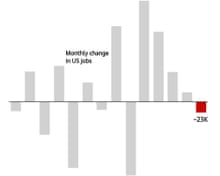
    US unexpectedly lost 23,000 jobs in July as slump in growth continues

  • Thailand
    Thailand school shooting: eight killed including 14-year-old suspected attacker, police say

  • Middle East
    Saudi Arabia, Pakistan and Turkey sign Nato-style defense pact amid deadly Houthi strikes in Yemen

  • Andrew Tate
    Tate brothers’ lawyers urge ⁠US judge to release the two from Miami jail on bail

  • Extreme heat
    US cities expand cooling centers but struggle to get people inside

  • Airline industry
    Boeing 737 Max operators told to check fuselages for cracks

  • Film
    Sam Neill filmed role in Legend of Zelda film adaptation before his death

  • Art
    Buried for not being Brueghel: overlooked masterpiece by still-life pioneer discovered in storage area


The Trump Administration Is About to Step Up Its War on Abortion Access

The Trump Administration Is About to Step Up Its War on Abortion Access

https://slate.com/news-and-politics/2026/08/todd-blanche-abortion-dobbs.html 

The Trump Administration Is About to Step Up Its War on Abortion Access

Donald Trump’s pick for attorney general is promising to take bodily autonomy from millions of women.

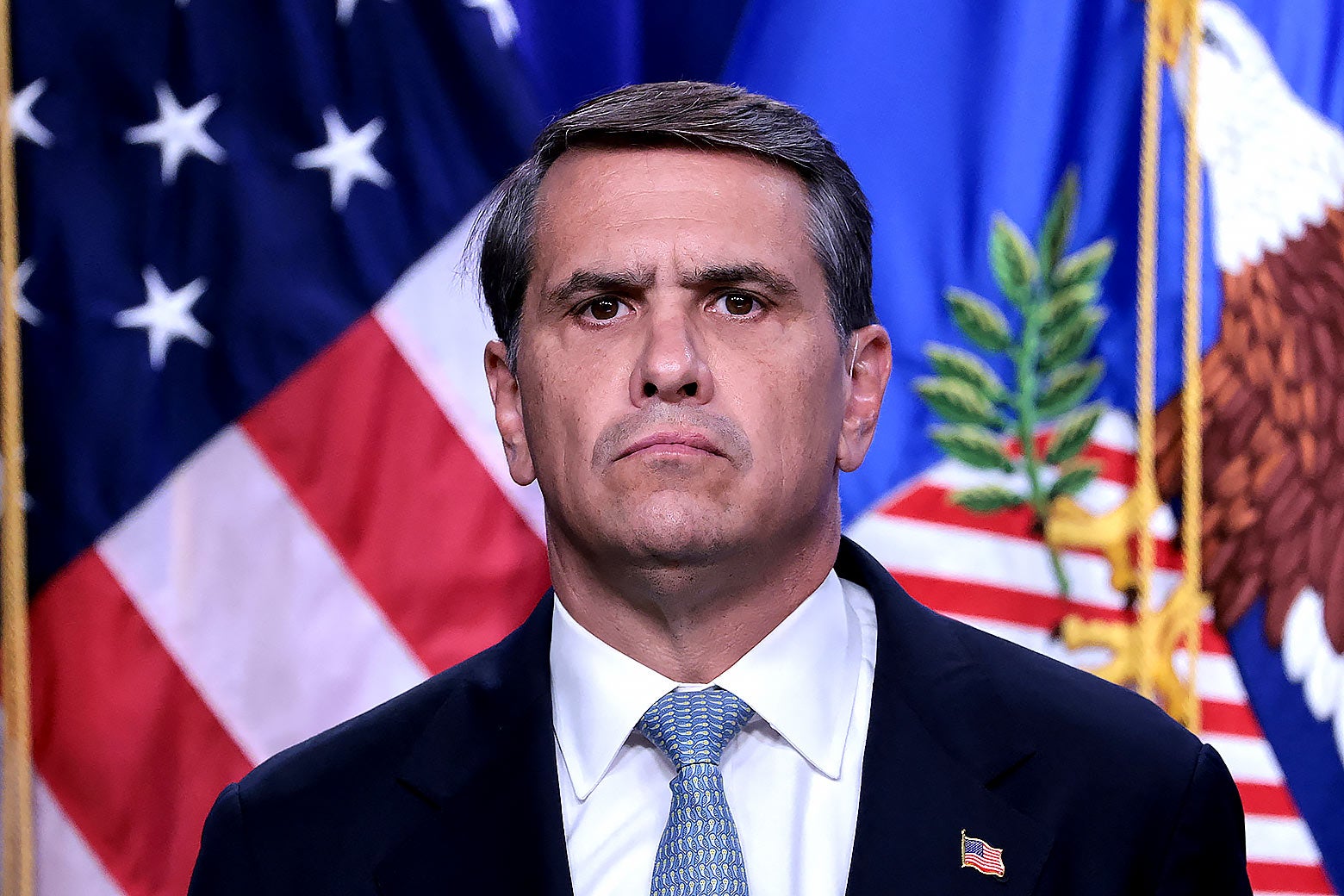
Todd Blanche looking straight ahead, sternly.
Jonathan Ernst/Reuters

Sign up for the Slatest to get the most insightful analysis, criticism, and advice out there, delivered to your inbox daily.

There is much to be distracted by in American politics: contentious primary races, a war of choice in Iran, a congressman accused of abusing a sitting Republican senator’s daughter, and the general malaise that is life under a second Trump administration. So the average American voter might be forgiven for not maintaining a laser focus on the fragile state of abortion rights in America.

One group hasn’t lost focus on that issue, though: America’s anti-abortion movement, which seeks to fully criminalize abortion nationwide (and ideally worldwide). That movement has found a friend in acting Attorney General Todd Blanche, whose controversial confirmation now seems likely to advance, and who is already promising abortion opponents that he will deliver for them by ensuring that abortion is banned everywhere.

In a phone call with religious anti-abortion groups reported by Politico, Blanche assured them that he and the White House were working in concert to ensure “that the Dobbs decision becomes permanent in every single state.”

“We don’t have complete victory yet, but we will have victory, and victory will be soon, and and and it will be permanent,” Blanche said.

In 2022, the Supreme Court ruled in Dobbs v. Jackson Women’s Health to end the era of legal abortion in America, and to do what the anti-abortion movement had always claimed to want: to turn the question of abortion’s legality back to the states. That, of course, was a lie. From the day Dobbs was decided—and frankly from long before that—the anti-abortion movement was working to strip the right to choose from every woman, no matter where she lives, and no matter what voters want.

Now, they have another powerfully ally with Blanche on board.

It’s a major development. Attempts to ban abortion nationwide are broadly unpopular, which is part of why Trump sidestepped the issue on the campaign trail and essentially said he wants to leave these decisions to the states. Abortion simply doesn’t rank as highly on the list of the president’s concerns as, say, immigration, or building a massive arch to honor himself. That’s partly a good thing—it means that this administration has not made totally bulldozing abortion rights a top priority. But it has also meant that random abortion opponents within the administration, or administration members who feel beholden to the powerful anti-abortion movement, can exercise extraordinary power and the president doesn’t really pay attention. In a political news ecosystem where Trump is at the center of everything, his lack of personal emphasis on abortion means the press isn’t giving the issue top billing either.

As acting attorney general, Blanche already has the power to further restrict access to abortion in an era where it’s in decline. That power will only be augmented when he sheds the “acting” label, and Blanche’s latest promises to the anti-abortion movement suggest he’s ready to use it.

As it stands, abortion is banned across most of the South and Midwest. Women in those states either have to travel out of state for the procedure or procure abortion-inducing pills from doctors in states where abortion is legal. The anti-abortion movement and their allies in the Trump administration see that as a loophole. The Trump Food and Drug Administration is reviewing the safety and by extension legality of mifepristone, which in the U.S. is typically used with misoprostol to induce abortions (this two-pill combo is typically referred to as “the abortion pill,” although misoprostol can still be used alone). Mifepristone has been on the market for decades and has an exemplary safety record; this review is entirely motivated by anti-abortion politics. Because misoprostol can be used on its own to induce abortion, the mifepristone review is a threat to abortion rights (not to mention the trustworthiness and reputation of the FDA), but is unlikely to bring about the end of mail-order abortion pills. Which is why the anti-abortion movement wants the Trump administration to revive the Comstock Act, an 1870 law named after anti-obscenity, anti-masturbation, and anti-feminist crusader Anthony Comstock, to ban everything from contraception to dirty magazines.

A law criminalizing the mailing of abortion pills would be a major blow to abortion access and to women’s health and survival. These pills are often used as life-saving medications to help women with incomplete miscarriages and postpartum bleeding; making it illegal to mail them could create all sorts of shortages and bottlenecks that could leave women in dire circumstances.

The anti-abortion movement, no doubt, will deny that banning the mailing of abortion-inducing drugs would have effects on women who are miscarrying or bleeding. But the anti-abortion movement also continues to insist that abortion bans don’t hurt or kill women—despite a growing list of pregnant women who have died preventable deaths in “pro-life” states after not getting the care they would have received in states where abortion is legal. There’s an even longer list of women in “pro-life” states who nearly died, or lost their reproductive capacities, or wound up in the ICU, or went septic. The “pro-life” movement’s answer to claims that their bans are hurting women has been to refuse to investigate whether their bans are harming women.

This isn’t the only area where the anti-abortion movement is revealing that it has been lying for decades. Before Dobbs, the abortion opponents swore up and down that they would never criminalize women who had abortions—only doctors would go to jail. Now that they’ve successfully outlawed abortion in vast swaths of the country, that tune is changing.

Take John Seago, the president of Texas Right to Life and the man who is widely credited with his state’s strict abortion bans. Before Dobbs, he was clear that “women need to be treated differently than abortionists,” as well as that “women cannot be the defendants” in either criminal or civil abortion cases. By this summer, he was saying something very different. “In the last four years, our attitude has lightened a little bit because we are looking at the scope of the problem,” Seago told Caroline Kitchener of the New York Times. “I want for it not to be taboo to ask, ‘What is the accountability for these women?’ ”

Students for Life president Kristan Hawkins once wrote that “we state again emphatically that we oppose prosecuting women for abortion.” She is also reconsidering in light of her movement’s successes, seeing prosecuting and jailing women for abortion as an option once the public is more receptive. “My message is ‘Not now,’ but I’m not saying ‘Not ever,’ ” she said. “You have to make abortion unthinkable before you get to that point when you ask, ‘How are you going to prosecute?’ ”

Seago and Hawkins are leaders in an already radical movement that is getting even more so. In Todd Blanche, they seem to have found a man who agrees that when it comes to forcing women to stay pregnant whether they like it or not, it is he, not women themselves, who should decide.